
The more I studied traditional Japanese gardens — dry rock gardens, moss temples, quiet ponds, bamboo groves — the more I realized "zen aquarium" could mean five genuinely different things, not just one recognizable look. Each of these garden traditions carries its own specific mood and technique, and translating them into an aquarium setting produces five noticeably different tanks, even though they all share that same underlying sense of calm.
This guide walks through five zen themes, each inspired by a distinct piece of Japanese garden tradition. Every theme includes a detailed image prompt so you can visualize the finished layout before gathering materials for your own build.
The Shared Thread Running Through Every Zen Theme
Despite their differences, all five themes below share a commitment to restraint, intentional space, and a single clear mood rather than a busy, decorated layout. Whichever theme you choose, resisting the urge to add extra elements "just because there's room" is what keeps any zen-inspired tank feeling genuinely calm rather than simply sparse.
1. Karesansui-Inspired Dry Garden Layout
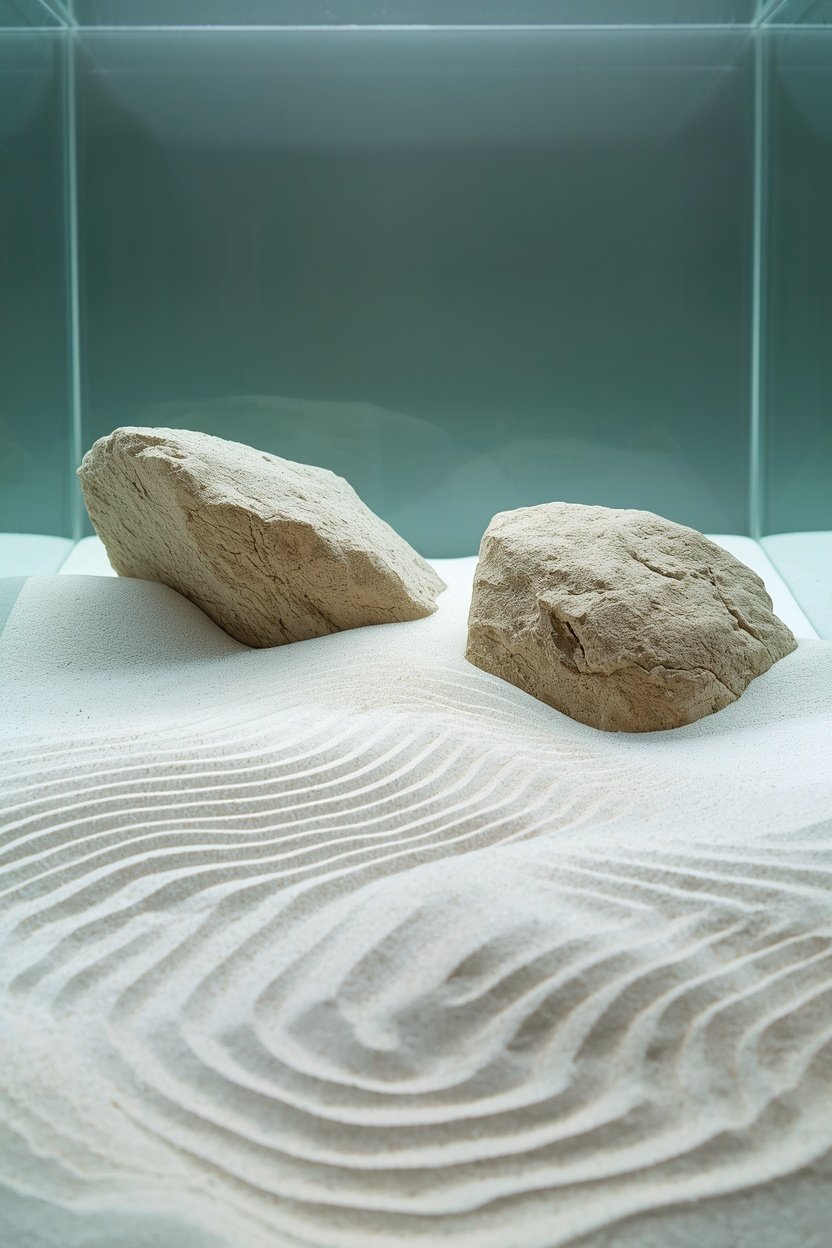
Karesansui, Japan's traditional raked-sand rock gardens, translate into aquariums surprisingly well through the use of pale, fine sand carefully raked into subtle wave-like patterns around a small number of stones, mimicking the swirling gravel patterns found in a real dry garden. Since raked patterns can shift with water movement, use a stiff-bristled tool to re-rake occasionally, treating it almost like a small meditative maintenance ritual rather than a chore.
Keep planting minimal to nonexistent in this theme, letting the sand patterns and stone placement carry the entire visual weight the way an actual karesansui garden relies on texture and space rather than greenery.
2. Moss Garden Zen
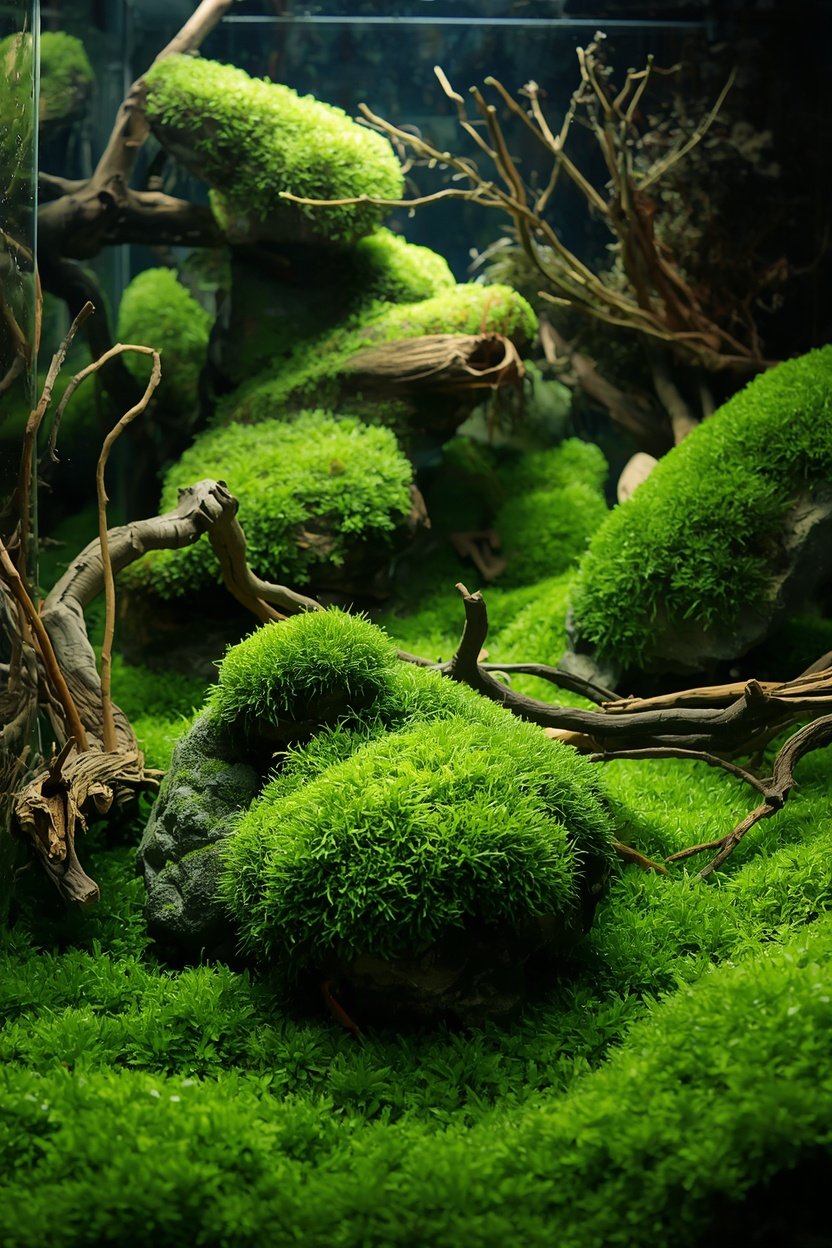
Inspired by Japan's famous moss temple gardens, this theme builds an entire tank around dense, soft moss covering rocks, wood, and even parts of the substrate, creating a plush, velvety green landscape rather than a structured rock arrangement. Java moss and Christmas moss both work well, tied generously across multiple surfaces and allowed to grow into a continuous, blanket-like carpet over several weeks.
Unlike a carpeting plant lawn, moss creates a softer, more textured green surface with visible depth and shadow, closely echoing the tactile, cushioned look of an actual temple moss garden. This theme rewards patience above all else, since a truly lush moss landscape takes considerably longer to establish than most other zen variations.
3. Lily Pond Reflection Zen
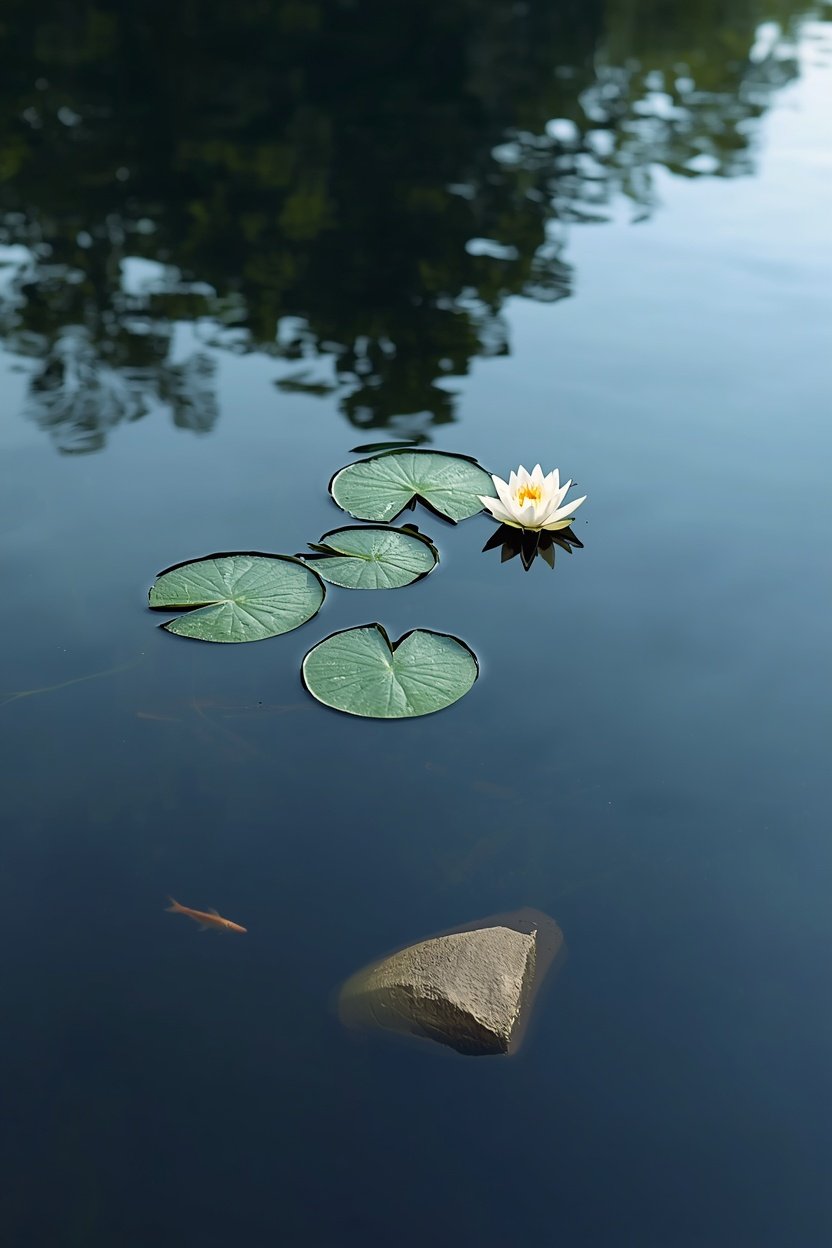
Rather than focusing on the tank floor, this theme draws the eye to the water's surface, using floating lily-style plants and open, still water to evoke a quiet garden pond used for reflection and meditation. A few floating water lettuce or amazon frogbit leaves, spaced deliberately rather than densely packed, mimic lily pads resting calmly across the surface.
Keep the water beneath relatively simple and open, with perhaps one submerged stone visible through the clear water, so the surface itself — its stillness, its floating leaves — becomes the primary focus rather than a busy substrate layout competing for attention below.
4. Bamboo Grove Zen
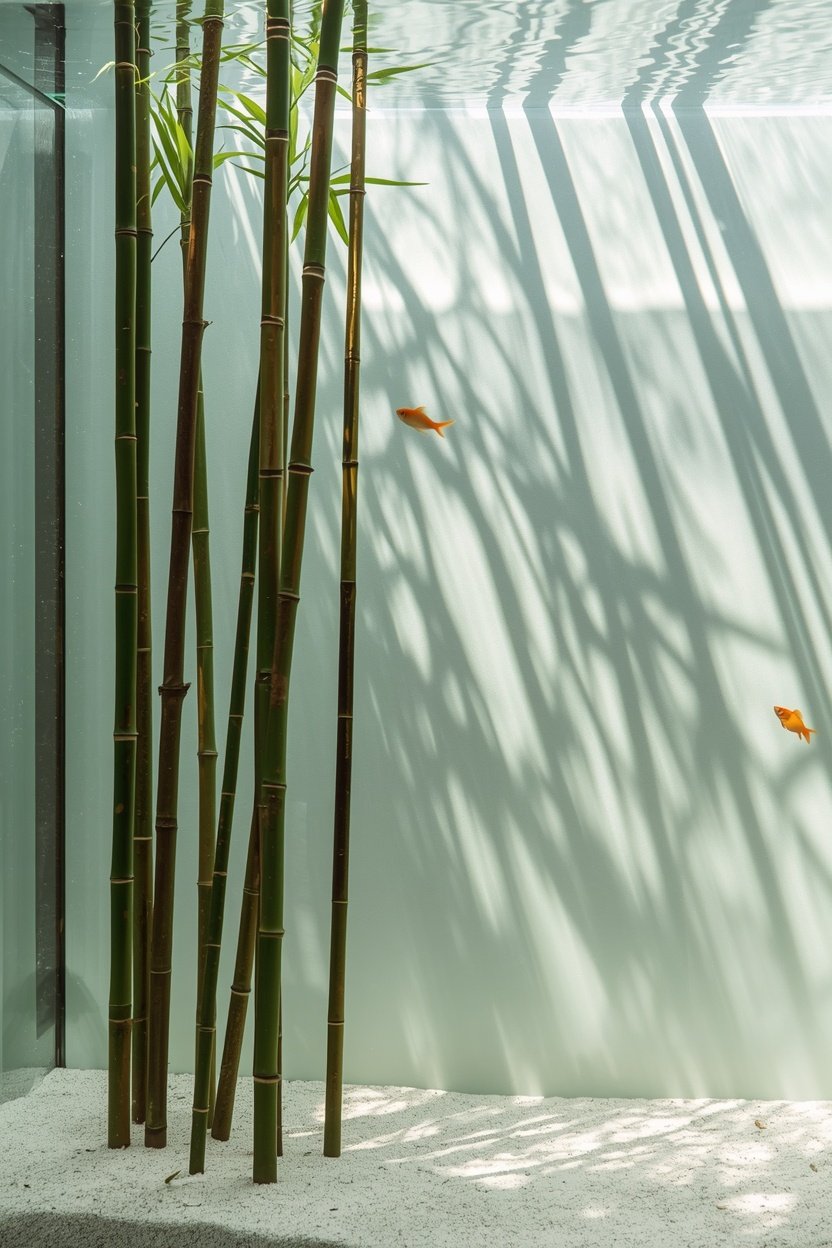
This theme recreates the quiet, vertical stillness of walking through a bamboo forest, using tall, narrow decor — thin driftwood branches or bamboo-style aquarium ornaments — grouped in a loose vertical cluster toward one side of the tank. The repeated vertical lines create a calm, rhythmic visual pattern distinct from the more sculptural, single-focal-point approach of other zen styles.
Space the vertical elements with small, irregular gaps between them, similar to how real bamboo stalks grow unevenly rather than in a perfectly uniform row, and keep the surrounding substrate simple so the vertical grove itself remains the clear visual focus of the entire layout.
5. Wabi-Sabi Asymmetric Zen
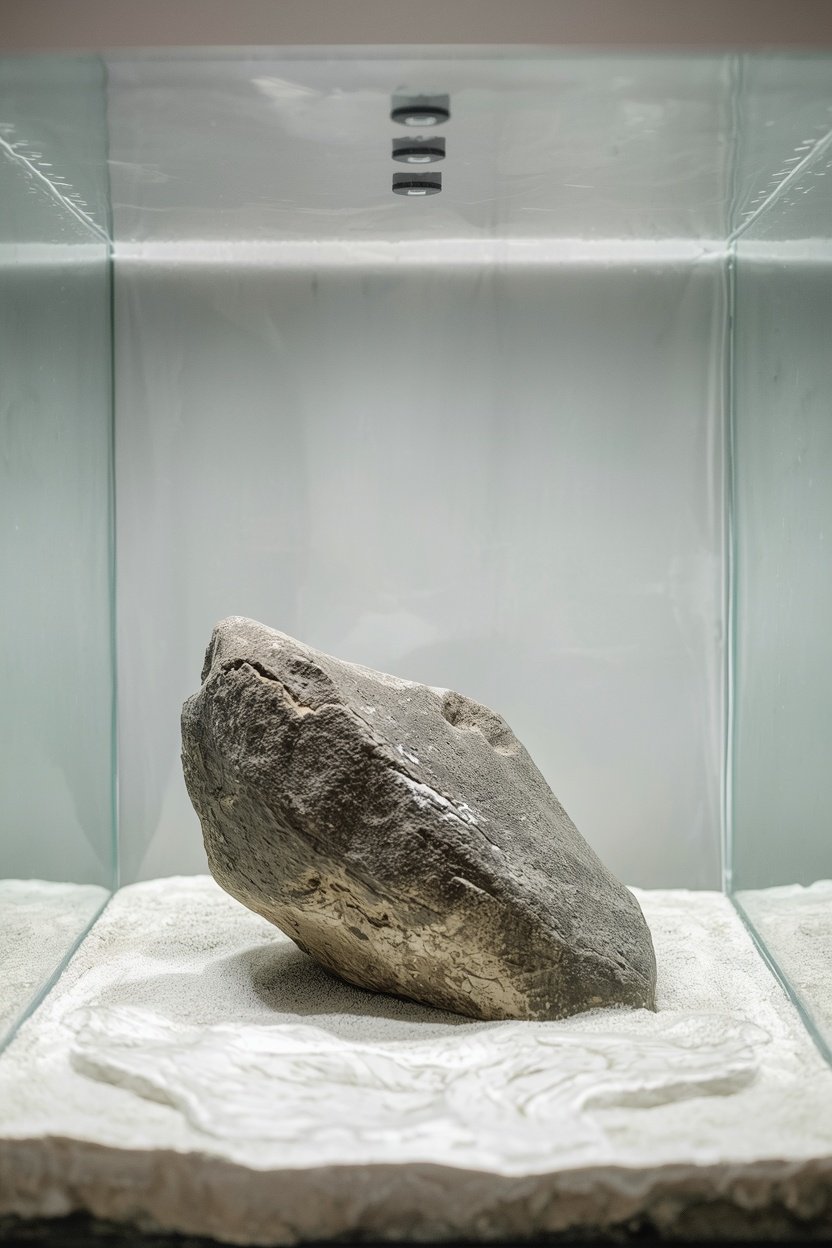
Wabi-sabi, the Japanese philosophy of finding beauty in imperfection and asymmetry, translates into aquascaping as a deliberately uneven, weathered layout built around a single imperfect stone or gnarled piece of driftwood, rather than a technically balanced or symmetrical arrangement. The chosen centerpiece should look genuinely aged and irregular — cracked, pitted, or unevenly shaped — celebrated rather than hidden.
Resist the urge to "correct" the composition toward symmetry, since the theme's entire philosophy rests on embracing natural imperfection as its own form of beauty. A single off-center, imperfect element surrounded by generous open space captures wabi-sabi far more authentically than a technically polished, evenly balanced layout ever could.
Tips for Bringing Any Zen Theme to Life
- Research the tradition behind your chosen theme. A little background on the real garden style you're drawing from helps guide more authentic material and layout choices.
- Resist decorating impulses as the tank matures. Most zen themes look sparse at first and gain their full effect only once plants or moss establish over several weeks.
- Choose calm, unhurried fish. Slow-moving species suit the meditative mood of these themes better than fast, darting schools.
- Photograph your layout in natural light. Several of these themes, especially the lily pond and dry garden looks, read most beautifully under soft, natural daylight.
Final Thoughts
Zen aquascaping is far richer than a single look, drawing on centuries of distinct Japanese garden traditions, each with its own philosophy and technique. Whether you're drawn to the raked patterns of a dry garden, the plush texture of a moss temple, the stillness of a lily pond, the rhythm of a bamboo grove, or the quiet imperfection of wabi-sabi, each theme offers a genuinely different path to the same underlying sense of calm.
Frequently asked questions
Which zen theme is easiest for a beginner to start with?
The lily pond reflection theme is generally the most approachable, since it relies mainly on floating plants and a simple substrate rather than more technical stone placement or long-term moss cultivation.
Can I combine elements from two different zen themes?
It's possible, though each theme's specific philosophy tends to get diluted when mixed — most hobbyists find committing fully to one theme produces a more cohesive, authentic result.
Do these themes require special equipment?
No special equipment is required beyond standard aquarium basics, though a fine-bristled tool for maintaining raked sand patterns and patience for moss-heavy themes are both worth planning for.
