
My first betta lived in a small, unheated bowl on my desk for almost a year before I learned just how much of what I'd been told about betta care was actually wrong. Bettas have a reputation as a low-maintenance "starter fish," but that reputation has led to a lot of genuinely outdated advice still circulating — advice that, once corrected, made a dramatic difference in how my own betta looked and behaved.
This guide covers the four pillars of genuinely good betta care: tank setup and water parameters, feeding, ongoing maintenance, and environmental enrichment. Each section includes a detailed image prompt so you can visualize what a properly cared-for betta setup actually looks like.
Why Betta Care Advice Is So Often Outdated
Bettas are commonly sold in small cups or bowls at pet stores, which unfortunately reinforces the misconception that they naturally thrive in minimal space. In reality, bettas are a labyrinth fish species capable of surviving in shallow, oxygen-poor rice paddies in the wild out of necessity, not because that environment is ideal — a heated, filtered tank of at least 5 gallons gives them a genuinely better quality of life than the small containers still commonly associated with the species.
1. Get the Tank Size and Water Parameters Right
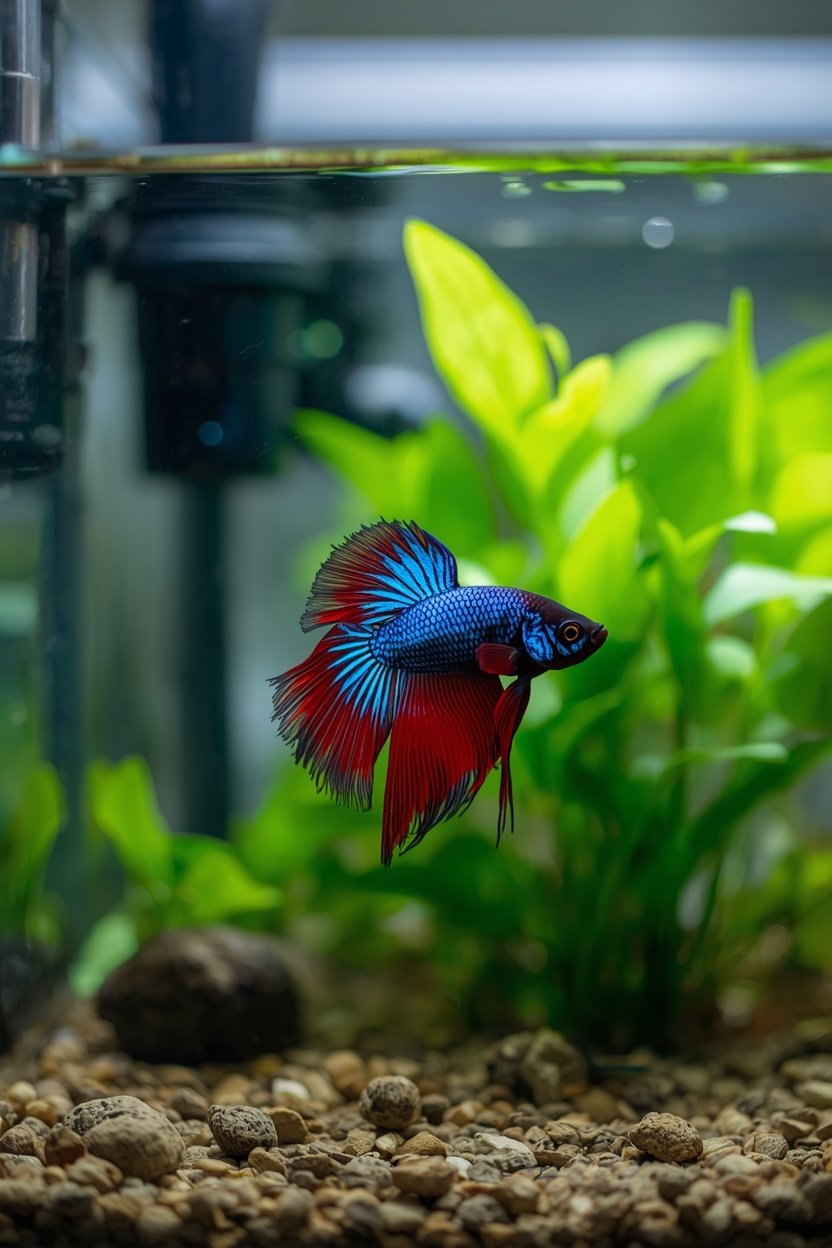
The single most common betta care mistake is housing them in a tiny, unheated bowl, based on the outdated myth that bettas thrive in small puddles. In reality, bettas do best in at least 5 gallons of water, with a heater keeping temperature steady between 76 and 80°F and a gentle filter maintaining water quality without creating strong current, since bettas' long fins make them poor swimmers against heavy flow.
Stable water parameters matter more than hitting any single perfect number. Ammonia and nitrite should always read zero in a properly cycled tank, and consistent weekly partial water changes, typically 25 to 30 percent, keep nitrate at a safe level without the shock of large, infrequent swings in chemistry.
Investing in a basic liquid water test kit early on gives you real information rather than guesswork, and it's one of the most valuable tools a beginner betta keeper can own, since many common health issues trace back to water quality problems that could have been caught and corrected early.
2. Feed a Varied, Appropriately Portioned Diet
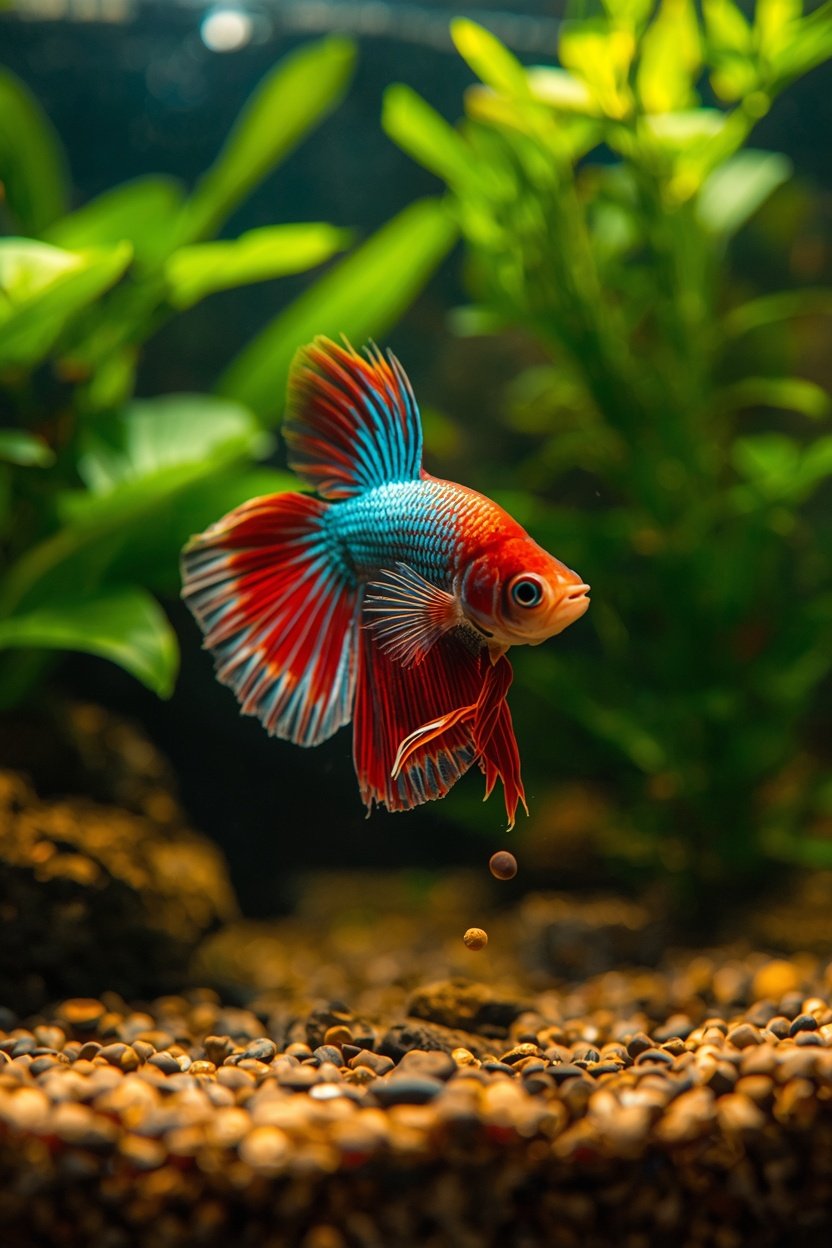
Bettas are carnivorous in the wild, feeding primarily on insects and larvae, and their diet in captivity should reflect that protein-focused background rather than relying solely on generic flake food. A quality betta-specific pellet, supplemented occasionally with frozen or freeze-dried bloodworms and brine shrimp, provides a much more balanced and species-appropriate diet than flakes alone.
Overfeeding is a genuinely common problem, since bettas will often eat more than they actually need if given the opportunity. A general guideline is two to four small pellets, once or twice daily, with one fasting day per week to support healthy digestion and prevent the bloating and constipation overfeeding commonly causes.
Watch your betta's body condition over time rather than following a rigid schedule blindly — a healthy betta should have a gently rounded, not bloated, belly, and adjusting portion size based on what you observe is more reliable than any fixed feeding chart.
3. Maintain a Consistent Water Quality Routine
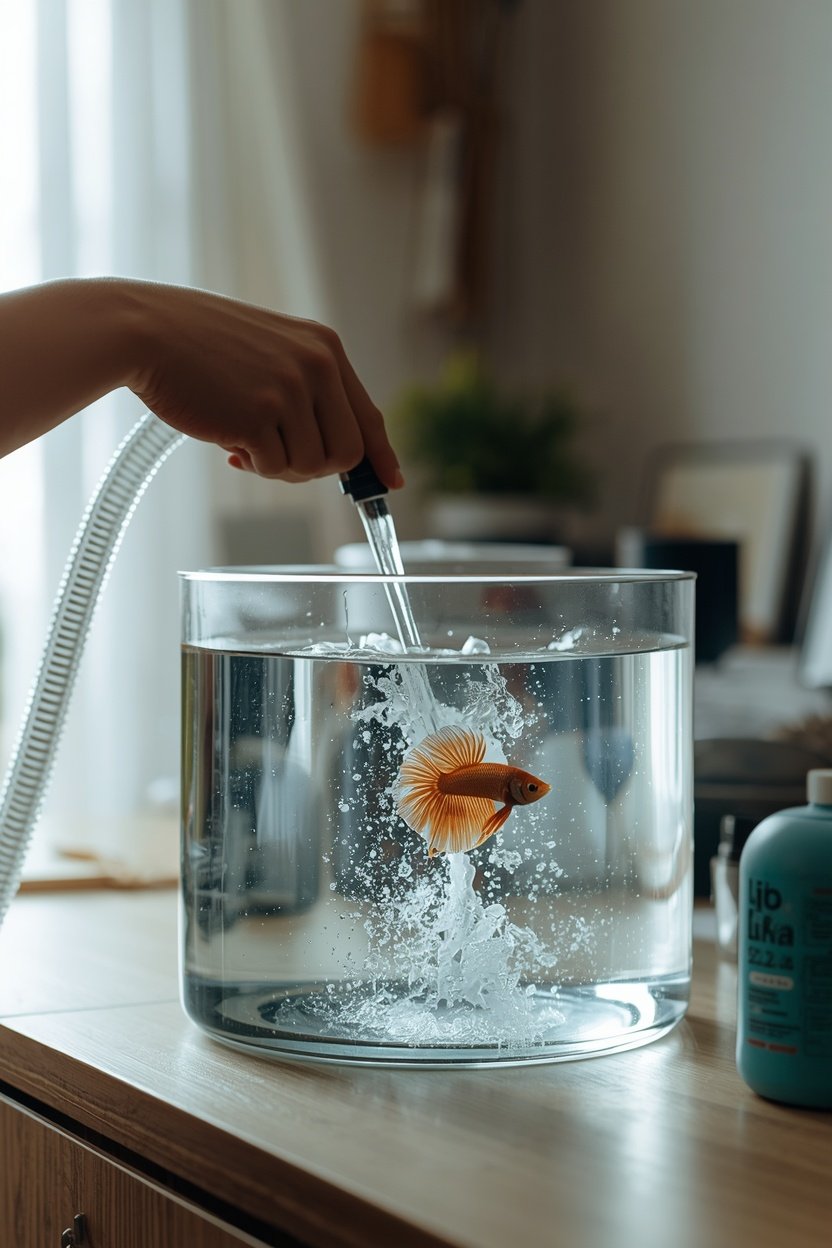
Beyond initial setup, ongoing maintenance is what actually keeps a betta healthy long-term. A weekly partial water change, paired with light gravel vacuuming to remove waste and uneaten food, prevents the gradual buildup of ammonia and organic waste that stresses fish even in a filtered tank.
Always treat new water with a dechlorinator before adding it to the tank, and try to match the temperature of new water closely to the tank's existing temperature to avoid unnecessary thermal stress during routine changes. A simple thermometer and a dedicated bucket kept only for aquarium use make this process quick and consistent.
Establishing this routine early, rather than waiting until visible problems appear, is what separates a consistently thriving betta from one caught in a repeating cycle of health issues that always trace back to inconsistent water care.
4. Create a Stress-Free, Enriching Environment
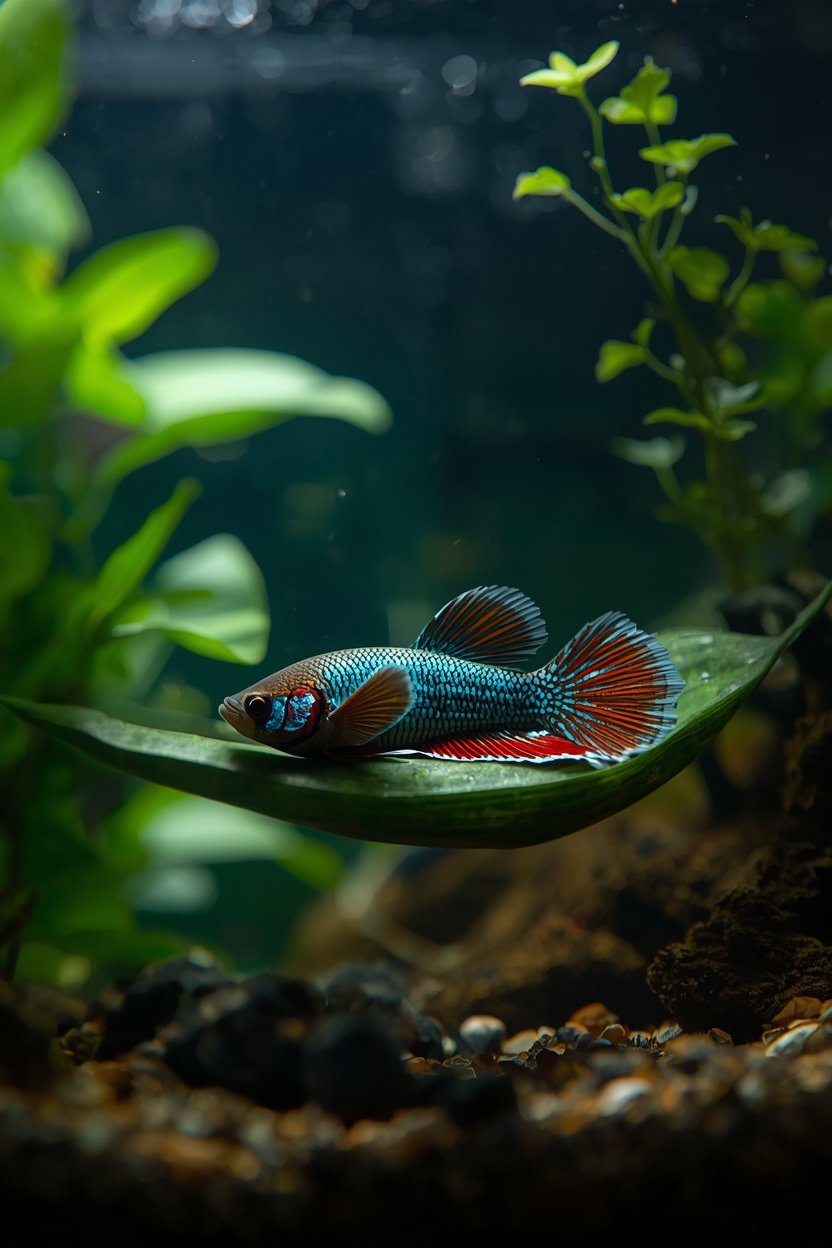
Beyond water and food, a betta's daily environment significantly affects its overall wellbeing. Soft, rounded plants and decor protect delicate fins from tearing, while a resting spot near the surface, like a broad leaf hammock, supports natural behavior given that bettas periodically breathe air using their labyrinth organ.
Bettas are also more intelligent and curious than their reputation as a "simple" starter fish often suggests, and some keepers introduce gentle enrichment like a small mirror for brief periods, or training them to recognize feeding time, though prolonged mirror exposure should be avoided since it can cause ongoing stress through perceived rival confrontation.
If keeping a betta in a community setup, research tankmate compatibility carefully, since many popular community fish can trigger territorial aggression or fin-nipping behavior. For most beginners, a solo betta in a well-decorated, appropriately sized tank remains the simplest path to a genuinely thriving fish.
Quick Reference: Betta Care Essentials
- Tank size: 5 gallons minimum, heated and filtered.
- Temperature: 76–80°F, kept consistent with a reliable heater.
- Feeding: 2–4 pellets once or twice daily, with one fasting day weekly.
- Water changes: 25–30% weekly, always with dechlorinated, temperature-matched water.
Final Thoughts
Genuinely good betta care comes down to correcting a few widespread myths and committing to a few consistent habits: proper tank size and heating, a protein-appropriate diet fed in sensible portions, a reliable weekly maintenance routine, and an environment that supports natural behavior rather than just looking decorative. Get these four pillars right, and a betta can live a considerably longer, more vibrant life than the outdated bowl-dwelling stereotype ever suggested was possible.
Frequently asked questions
Can bettas really live in a bowl without a filter or heater?
While bettas can survive in unfiltered, unheated bowls short-term, they don't genuinely thrive in that setup, and a properly heated and filtered tank of at least 5 gallons leads to significantly better long-term health and lifespan.
How long do bettas typically live with proper care?
With consistent, appropriate care, bettas commonly live 3 to 5 years, and some well-cared-for individuals live even longer, considerably beyond the shorter lifespan often assumed based on poor bowl-based husbandry.
Is it true bettas don't need much attention?
Bettas require the same consistent water quality maintenance and appropriate feeding as any other fish — the "low maintenance" reputation often leads to genuine neglect, when in reality their care needs are comparable to many other popular beginner species.
