
The first time I understood what a true biotope aquarium actually meant, it changed how I thought about the hobby entirely. I'd always decorated tanks based on what looked good together, but a biotope works backward from that — you research a specific real-world location first, then build a tank that matches it as closely as possible, down to the substrate, the water chemistry, and the exact species that naturally live there.
If you've never built a true biotope before, this guide introduces four genuinely different starting points, each drawn from a distinct real-world region. Every idea includes a detailed image prompt so you can visualize the finished habitat before researching materials for your own build.
What Actually Makes an Aquarium a Biotope
A biotope aquarium aims to recreate one specific real habitat as accurately as possible, rather than borrowing a general "natural" look. That means researching a particular region's water chemistry, substrate type, hardscape, and native plant and fish species, then sourcing materials and stock that genuinely match that location rather than simply looking similar to it. This research-first approach is what separates a true biotope from a biotope-inspired tank.
1. The South American Amazon Blackwater Biotope
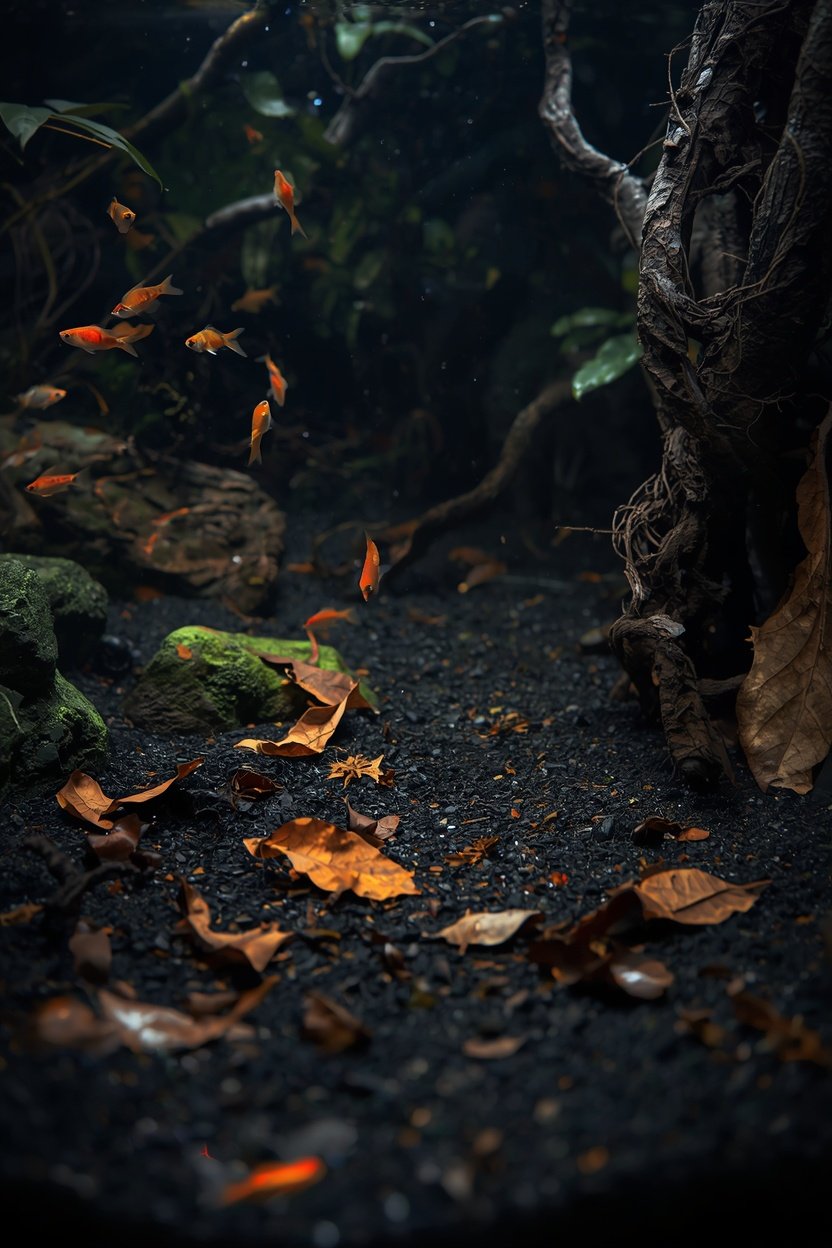
The Amazon basin's slow, tannin-stained tributaries are probably the most recreated biotope in the hobby, and for good reason: the look is striking, the fish are widely available, and the setup is genuinely approachable for a first attempt. This biotope centers on soft, acidic, amber-tinted water, achieved through dried leaf litter and driftwood rather than any dye or additive, paired with a dark sand substrate and sparse, root-tangled hardscape.
Species like cardinal tetras, angelfish, and certain small corydoras all originate from this exact region, making them historically accurate choices rather than just visually fitting ones. Keeping plant life minimal and regionally appropriate, favoring floating plants over a dense carpet, reflects how little direct light actually reaches these shaded forest streams in the wild.
This biotope rewards patience more than any other on this list, since the tannin-rich water and naturalistic decay take real time to establish authentically, but the result is one of the most atmospheric, moody aquariums achievable in the hobby.
2. The African Rift Lake Biotope
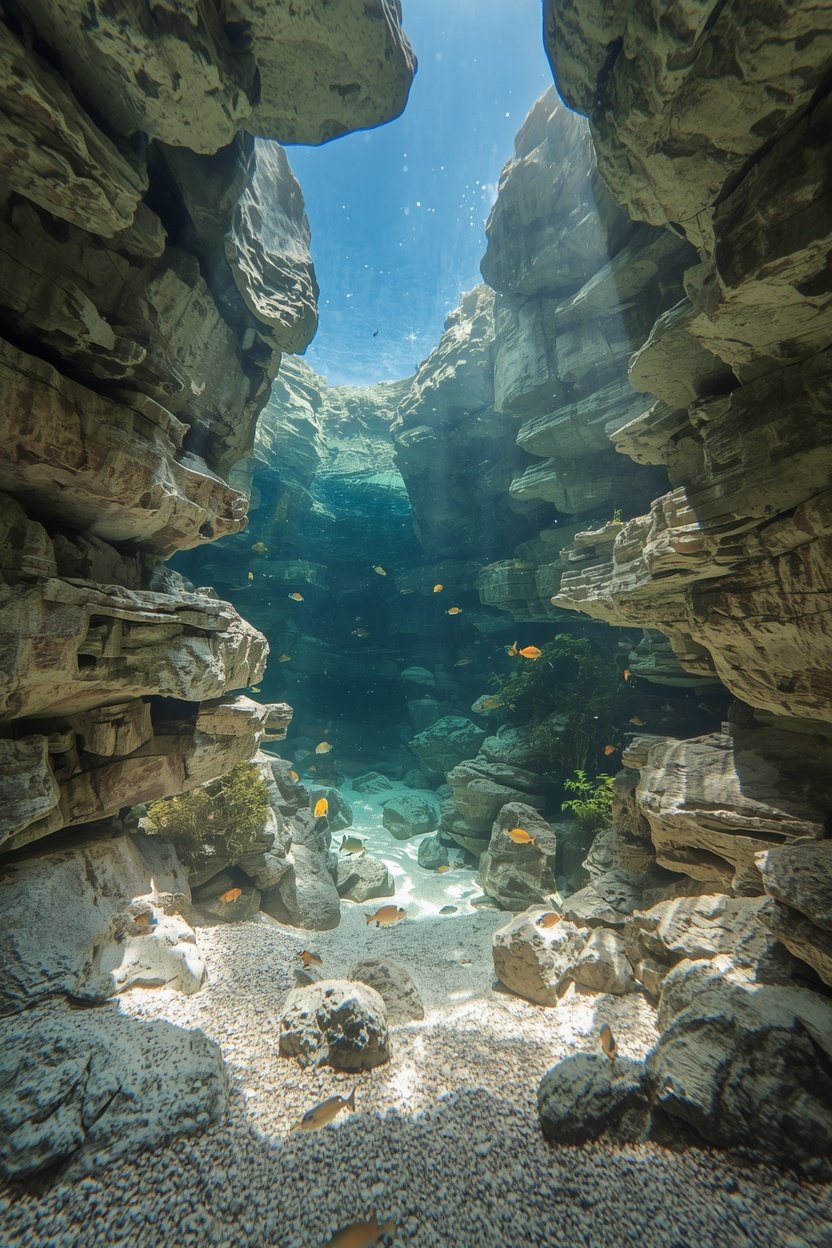
Where the Amazon biotope leans soft and shaded, Africa's Rift Lakes — Malawi and Tanganyika specifically — call for the opposite extreme: hard, alkaline water and a rocky, sun-drenched landscape built from stacked stone formations rather than driftwood and leaf litter. These lakes are famous for their explosive cichlid diversity, and recreating the rocky shoreline habitat those cichlids call home is central to this biotope's identity.
Building the layout means stacking flat, light-colored rock into caves, crevices, and towers, leaving minimal open sand between formations, since wild Rift Lake shorelines are dominated by rock rather than vegetation. Crushed coral or aragonite substrate helps replicate the naturally hard, alkaline water these lakes are known for, giving the biotope both visual and chemical accuracy.
This biotope suits hobbyists specifically drawn to cichlid behavior and territoriality, since the rocky structure exists as much to support authentic fish behavior as it does to look convincing, making the fish's natural activity a genuine part of the biotope's appeal.
3. The Southeast Asian Peat Swamp Biotope
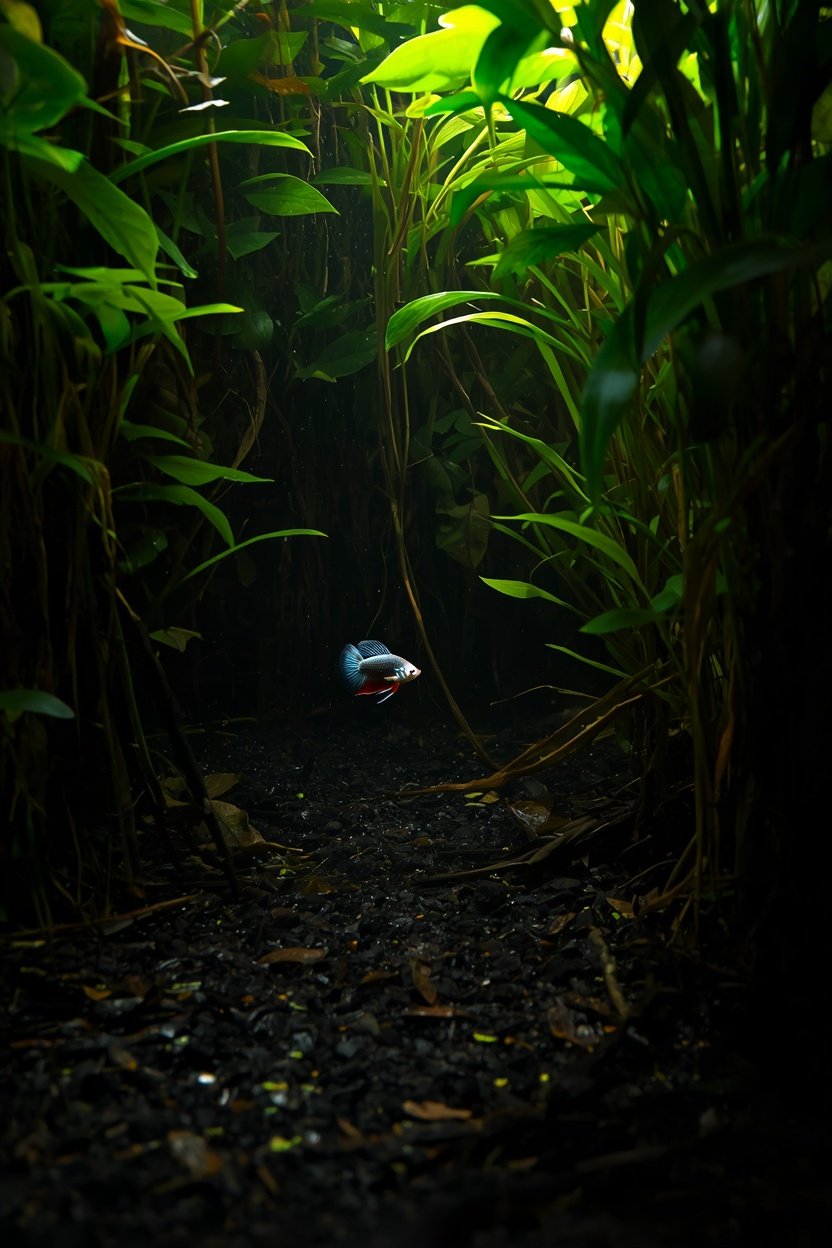
Southeast Asia's peat swamp forests, home to wild bettas and many gourami species, offer a biotope somewhere between the Amazon's blackwater drama and a calmer, more understated aesthetic. These habitats feature extremely soft, acidic water, dense overhead leaf cover, and a substrate built from decomposing peat and leaf matter rather than sand or gravel.
Recreating this look means leaning even further into botanical decor than an Amazon biotope, often incorporating multiple leaf types alongside driftwood and minimal open water. Floating plants covering a significant portion of the surface mimic the dense canopy shade these swamps naturally receive, supporting both the biotope's accuracy and the specific low-light needs of species like wild bettas.
This biotope tends to appeal to hobbyists specifically interested in labyrinth fish and their natural behavior, since replicating the dim, densely covered conditions these species evolved in often brings out more natural, confident behavior than a brighter, more open tank would.
4. The European Coldwater Stream Biotope
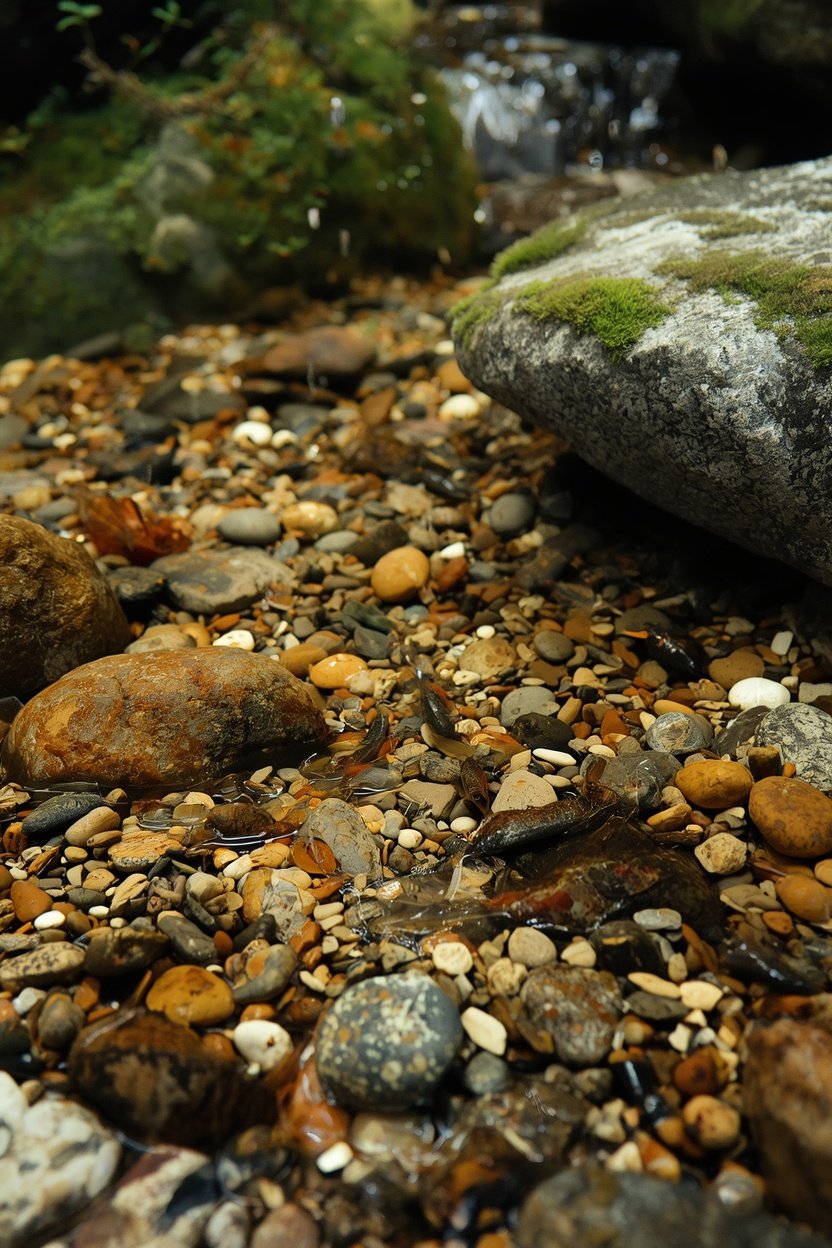
Not every biotope needs a heater. European coldwater streams, home to species like minnows, stone loaches, and certain small native fish, offer an accessible, often overlooked biotope option built around smooth river gravel, rounded stones, and clear, well-oxygenated water rather than tropical warmth and dense planting.
This biotope benefits from stronger water movement than most tropical setups, replicating the flowing current these stream-dwelling species are adapted to, along with a substrate of mixed pebble sizes that mirrors an actual streambed rather than uniform aquarium gravel. Hardscape stays simple and naturalistic — a few smooth stones and perhaps one piece of bank-style driftwood — since real temperate streams are typically less densely decorated than tropical habitats.
For hobbyists in cooler climates or those simply looking for a lower-energy-cost alternative to a heated tropical tank, this biotope offers genuine authenticity without the equipment overhead a tropical setup requires, making it a practical as well as visually distinct option.
Tips for Getting Started With Your First Biotope
- Pick one specific location, not a general region. "Amazon basin" is broad — narrowing to a specific river or tributary produces a more accurate, research-friendly biotope.
- Research before purchasing anything. Confirm your chosen substrate, hardscape, and fish species are genuinely native to your target location before buying.
- Accept that biotopes often look sparser than typical aquascapes. Real habitats are rarely as densely decorated as a competition aquascape, and that sparseness is part of the authenticity.
- Join biotope-focused hobbyist communities. Dedicated biotope forums and groups often include detailed regional research that can save significant time.
Final Thoughts
A biotope aquarium offers something most decor-first tanks can't: a genuine, researched connection to a real place and its actual wildlife. Whether you're drawn to the moody blackwater of the Amazon, the rocky drama of Africa's Rift Lakes, the shaded density of a Southeast Asian swamp, or the clear flow of a European stream, each biotope teaches you something real about the habitat and species you're recreating, making the finished tank feel like far more than just decoration.
Frequently asked questions
Is a biotope aquarium harder to maintain than a regular tank?
Not necessarily harder, though it does require more upfront research to ensure your chosen water parameters, substrate, and species all genuinely match, which takes more planning than a general aquascape.
Can I mix species from different biotopes in one tank?
You can, but doing so moves the tank away from being a true biotope and into biotope-inspired territory, since genuine biotope accuracy depends on every element originating from the same specific location.
Do biotope aquariums need special equipment?
Not typically special equipment, though some biotopes, like coldwater streams, may need stronger water flow or no heater at all, while others, like blackwater setups, benefit from botanicals that gradually affect water chemistry.
