
Why Cherry Shrimp Are the Perfect First Shrimp
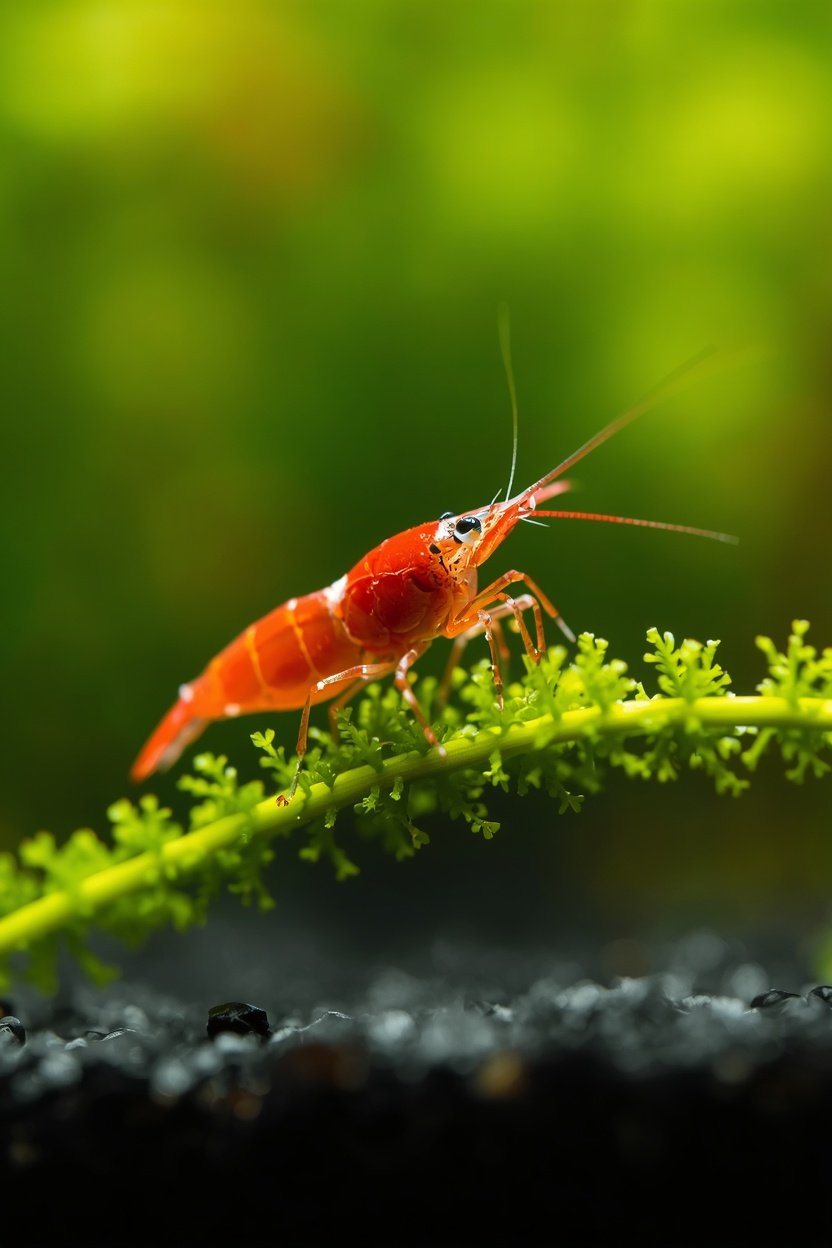
If you have ever scrolled through aquarium photos and stopped on a tank full of tiny, bright-red shrimp grazing across a bed of green moss, there is a good chance you were looking at cherry shrimp. They are one of the most popular freshwater invertebrates in the hobby, and for good reason: they are inexpensive, colorful, easy to care for, and forgiving of the small mistakes that most beginners make. This guide walks you through everything you need to know to keep cherry shrimp alive, healthy, and eventually breeding in your own tank, even if you have never kept an invertebrate before.
What Exactly Is a Cherry Shrimp?
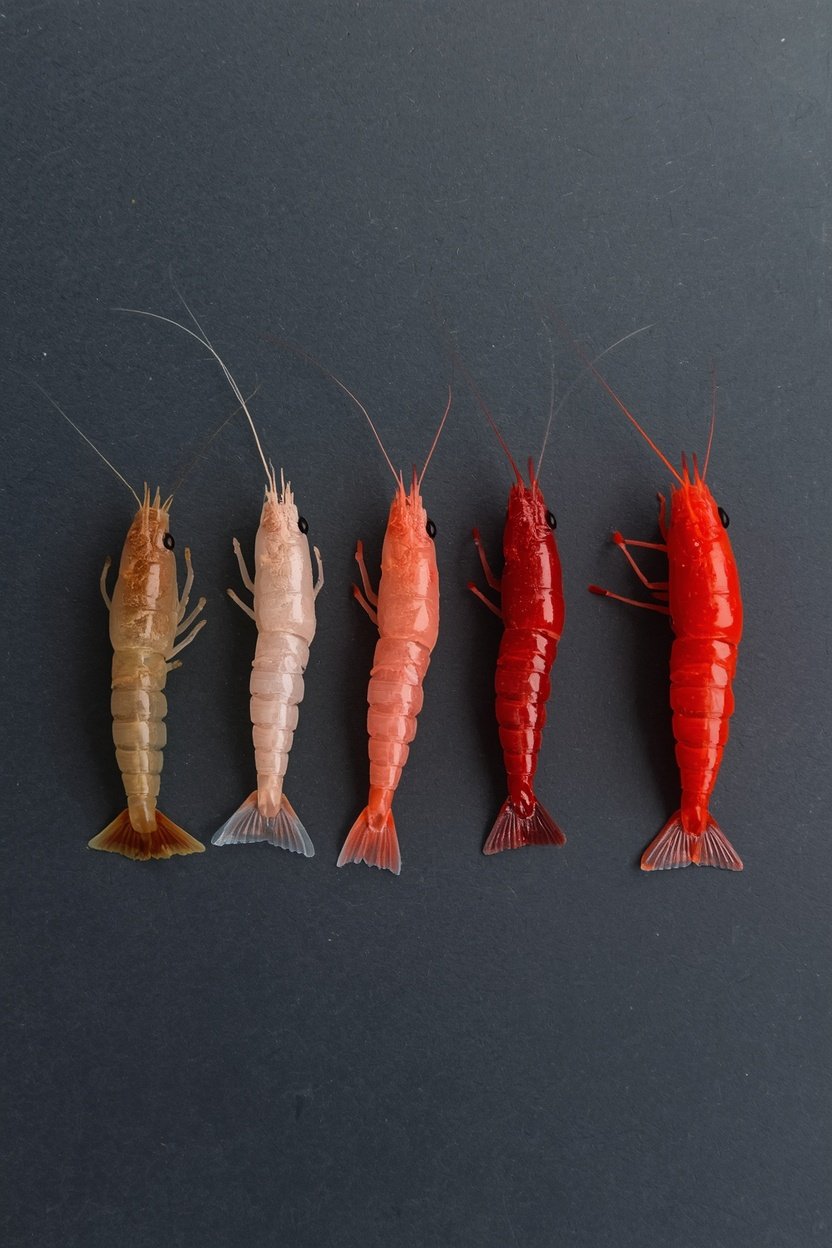
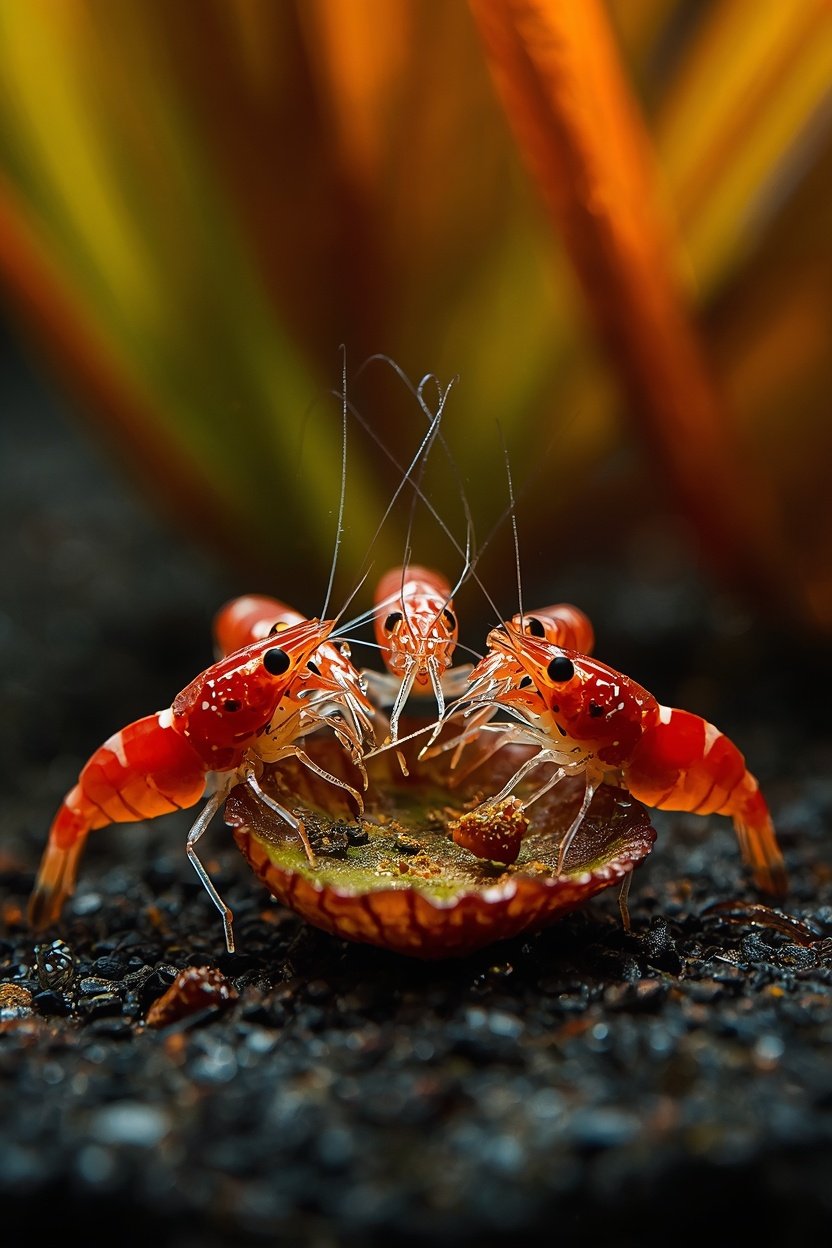
Cherry shrimp, scientifically known as Neocaridina davidi, are a freshwater dwarf shrimp species native to streams in Taiwan. In the wild, they are usually a dull brown or green, which helps them hide from predators. The bright red color most people associate with cherry shrimp is the result of decades of selective breeding by hobbyists, which is also why you will see color grades sold under names like Sakura, Fire Red, and Painted Fire Red, ranked from lightly colored to solid, opaque red.
Adult cherry shrimp typically reach about 1 to 1.5 inches (2.5 to 4 cm) in length and live for one to two years under good conditions. They are peaceful scavengers that spend most of their day picking algae, biofilm, and leftover food off of plants, driftwood, and the substrate, which makes them useful cleanup helpers as well as attractive pets.
Setting Up the Right Tank
Tank Size
Cherry shrimp can technically live in tanks as small as 5 gallons, but a 10-gallon tank is a much better starting point for a beginner. Larger volumes of water are more forgiving of the small ammonia and pH swings that new fishkeepers often cause without meaning to, which means fewer sudden shrimp deaths while you are still learning.
Filtration
A sponge filter powered by an air pump is the gold standard for shrimp tanks. Standard filter intakes can pull in and injure baby shrimp, but the gentle flow and wide surface area of a sponge filter keep shrimp safe while still providing plenty of beneficial bacteria to process waste. If you already own a hang-on-back filter, simply covering the intake with a pre-filter sponge solves the same problem.
Substrate and Décor
• Fine, dark-colored gravel or sand makes shrimp colors stand out and mimics their natural streambed.
• Live plants such as java moss, java fern, and pothos roots give shrimp somewhere to graze and hide, especially right after molting when they are most vulnerable.
• Driftwood and leaf litter, like Indian almond leaves, grow biofilm that shrimp constantly pick at, and slowly release tannins that many keepers believe support shrimp health.
|
Beginner tip Always let a new tank cycle for at least two to four weeks before adding shrimp. Shrimp are far less tolerant of ammonia and nitrite than most fish, so skipping the cycling process is the single most common reason beginners lose their entire shrimp colony in the first week. 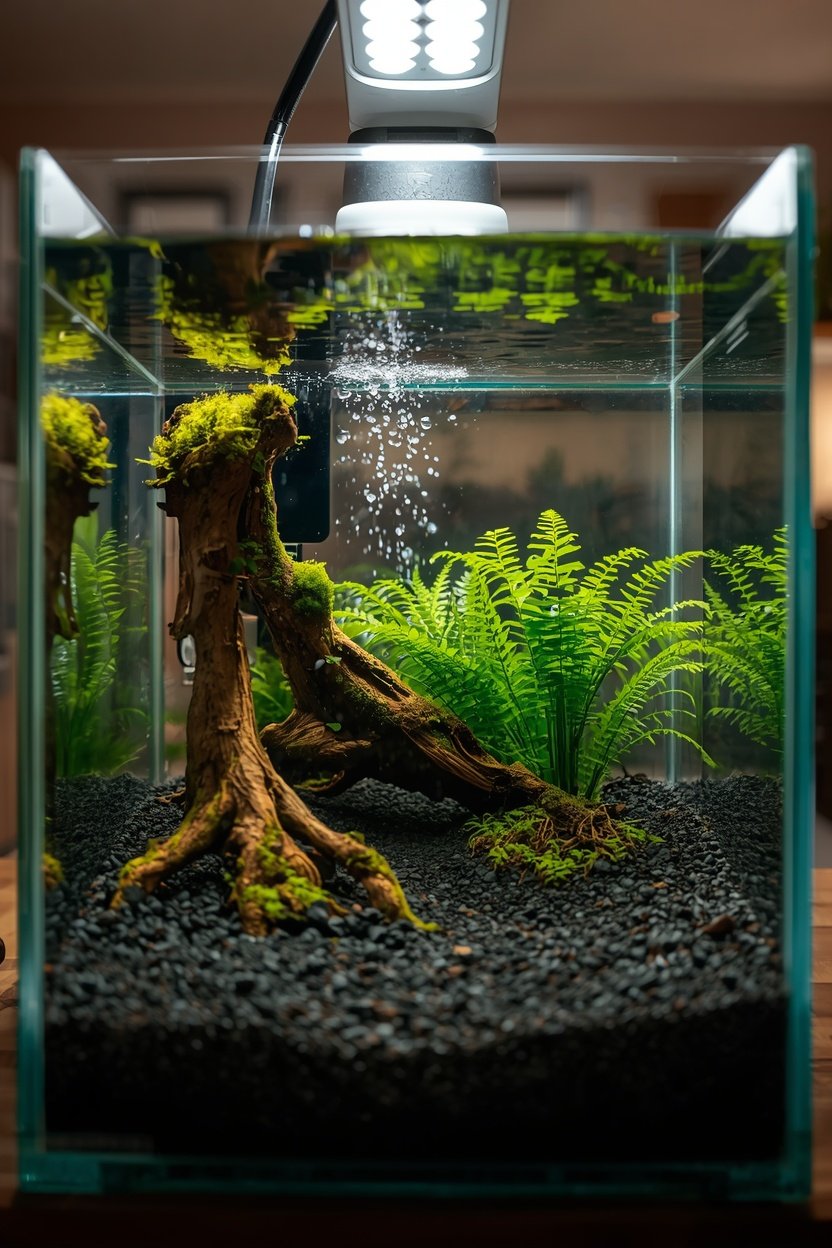 |
Cherry shrimp are more adaptable than many other shrimp species, but they still do best when parameters are kept stable rather than perfect. A sudden change is far more dangerous to a shrimp than a parameter that is slightly outside the ideal range but steady. Use a liquid test kit rather than test strips for more reliable readings, and test your water weekly until you understand how your specific tank behaves.
|
Parameter |
Ideal Range |
Why It Matters |
|
Temperature |
65–78°F (18–26°C) |
Cherry shrimp tolerate a wide range but breed best around 72–75°F |
|
pH |
6.5–8.0 |
Stable pH matters more than hitting an exact number |
|
GH (hardness) |
4–8 dGH |
Needed for healthy exoskeleton and successful molting |
|
KH (buffer) |
1–4 dKH |
Keeps pH from swinging suddenly, which stresses shrimp |
|
Ammonia/Nitrite |
0 ppm |
Shrimp are far more sensitive to these than most fish |
|
Nitrate |
Under 20 ppm |
Lower is safer; regular water changes keep it in check |
Feeding Your Cherry Shrimp
In a mature, well-planted tank, cherry shrimp can survive largely on the algae and biofilm that naturally grows on surfaces, which is why overfeeding is a much bigger risk than underfeeding. Uneaten food breaks down quickly and can crash your water quality.
• Feed a high-quality sinking shrimp pellet or algae wafer two to three times per week, only what they can finish within two to three hours.
• Blanched vegetables such as zucchini, spinach, or carrot make an excellent occasional treat, removed after a few hours to prevent fouling the water.
• Calcium-rich foods or supplements help shrimp rebuild their exoskeleton after molting, which is especially important in soft water.
Breeding Basics
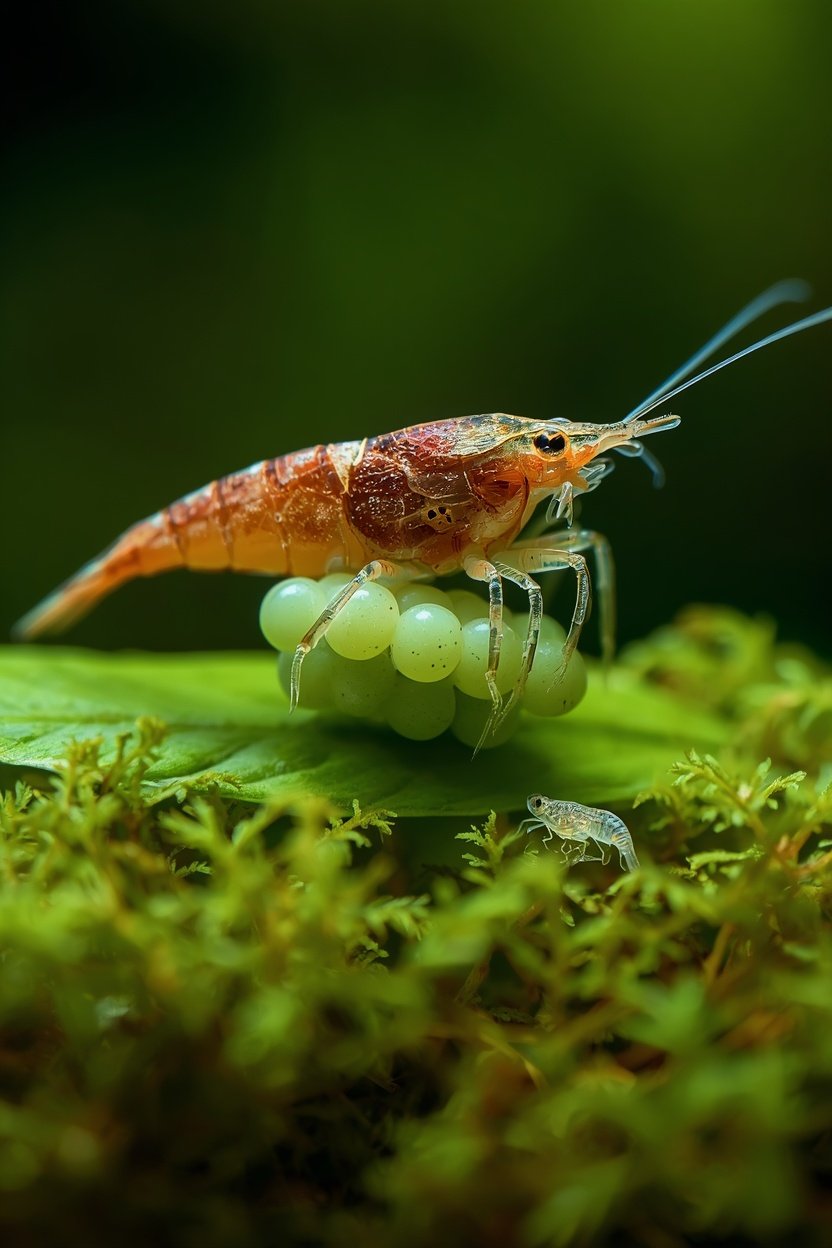
One of the most rewarding parts of keeping cherry shrimp is that, given stable conditions, they will breed on their own without any special intervention. Females carry a cluster of eggs, called a saddle, under their tail for two to three weeks before the eggs hatch as fully formed miniature shrimp, unlike fish fry, so there is no separate larval stage to manage.
- Keep a female-to-male ratio of roughly two or three females per male to encourage steady breeding.
- Dense plant cover such as java moss gives newly hatched shrimp a place to hide from adults and filter intakes.
- Stable, slightly warmer water in the mid-70s Fahrenheit tends to encourage more frequent breeding cycles.
Choosing Safe Tank Mates
Cherry shrimp are prey animals, and even fish that are not actively aggressive may snack on baby shrimp given the chance. If your main goal is a breeding colony, the safest option is a species-only shrimp tank.
- Good options: small, peaceful nano fish like celestial pearl danios in very lightly stocked, heavily planted tanks; snails such as nerite or mystery snails; other peaceful Neocaridina shrimp.
- Avoid: bettas, most cichlids, larger tetras, and any fish specifically marketed as a shrimp predator control or feeder fish.
Common Health Problems to Watch For
Most cherry shrimp health problems in a beginner's tank trace back to water quality rather than disease, which is actually good news, since it means most problems are preventable with consistent maintenance.
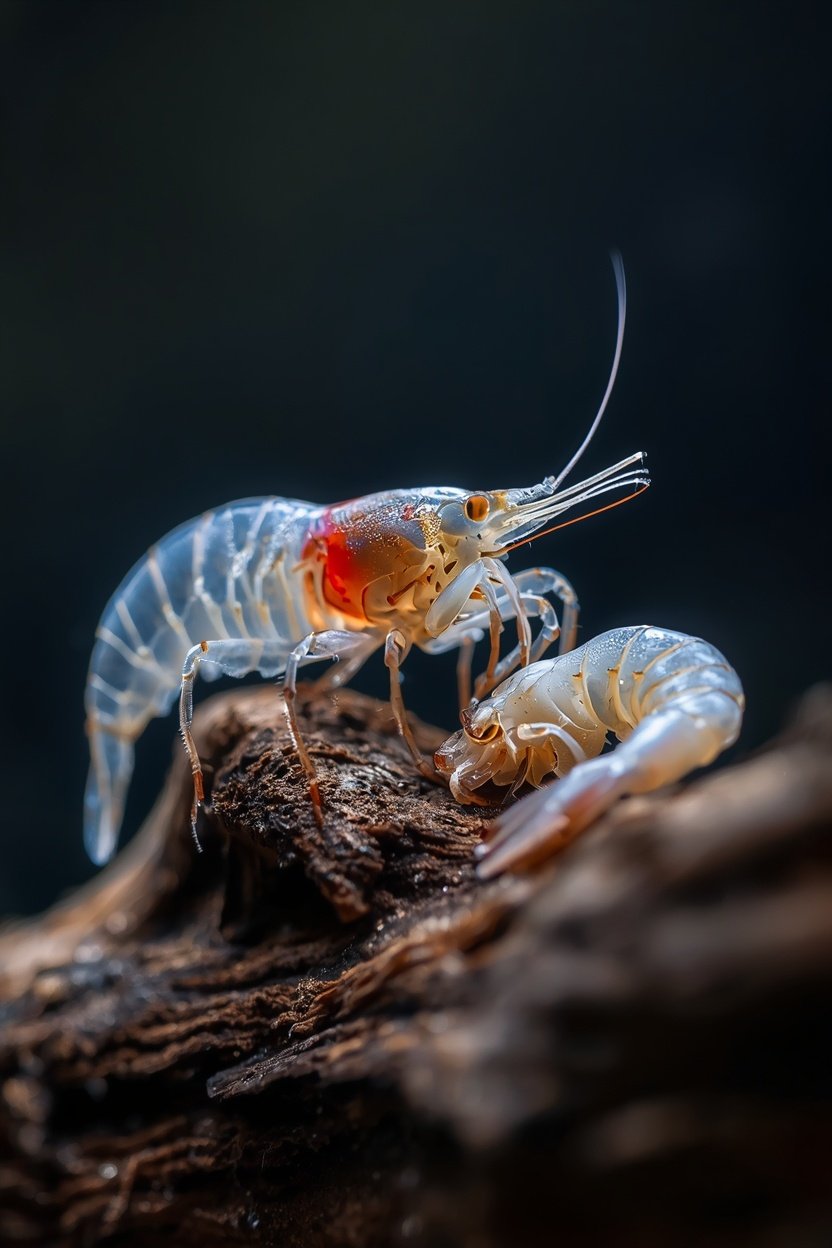
• Molting trouble: Shrimp that die during or shortly after molting often lack sufficient calcium or GH in the water.
• Sudden die-offs: Usually a sign of an ammonia or pH spike; test your water immediately if several shrimp die at once.
• Cloudy or white shrimp: Can indicate stress or, in rarer cases, a bacterial or parasitic infection; isolating the affected shrimp is a sensible precaution.
Final Thoughts
Cherry shrimp are a forgiving, colorful entry point into the world of freshwater invertebrates, and most of the challenges beginners run into come down to two things: rushing the nitrogen cycle and letting water parameters swing instead of staying stable. Get those two fundamentals right, add a few live plants, and feed lightly, and there is a good chance your first colony of cherry shrimp will be breeding on its own within a couple of months.
