
A fish tank is not just a glass box filled with water — it is a small ecosystem you get to design from scratch. The way you arrange substrate, hardscape, plants, and decorations affects far more than looks. Thoughtful design keeps fish calmer, reduces algae buildup, improves water flow, and cuts down on the time you spend cleaning every week.
Whether this is your first betta bowl or your first full community tank, a little planning before you place a single rock pays off for months to come. This guide walks through the process step by step, from an empty tank to a finished layout, and points out the mistakes beginners run into most often so you can skip straight past them.
What Fish Tank Design Actually Involves
Good aquarium design balances two things at once: how the tank looks and how it functions. A striking layout that blocks the filter outlet or leaves no open swimming room is a design that will cause problems within weeks. Before choosing anything decorative, it helps to think about three functional layers that sit underneath the visual one:
- Circulation: Water flow decor should redirect current gently, never trap it in dead corners where waste collects.
- Hiding and swimming zones: Every fish species has different comfort needs bottom dwellers want caves, open swimmers want clear water column space.
- Structural safety: Heavy rock or driftwood needs a stable base so it cannot shift and crack the glass once the tank is filled.
Once those three layers are settled, the fun part choosing a visual style and picking decor becomes much easier and safer.
Step 1: Choose the Right Tank Size and Shape
Bigger tanks are generally more forgiving for beginners because larger water volumes dilute waste and temperature swings more slowly, which keeps water chemistry more stable. A 20 to 29-gallon tank is a common and comfortable starting point for a first community aquarium, while nano tanks under 10 gallons demand more precise, frequent maintenance.
Shape matters for design too. Standard rectangular tanks give you the widest, flattest "canvas" for aquascaping and the most usable swimming length. Tall or bowfront tanks look dramatic but make it harder to arrange layered hardscape, so many beginners find rectangular footprints easier to plan around.
|
Pro Tip A filled aquarium weighs roughly 8 to 10 pounds per gallon once water, substrate, and decor are added. Confirm your stand or furniture can support that weight before finalizing tank size. 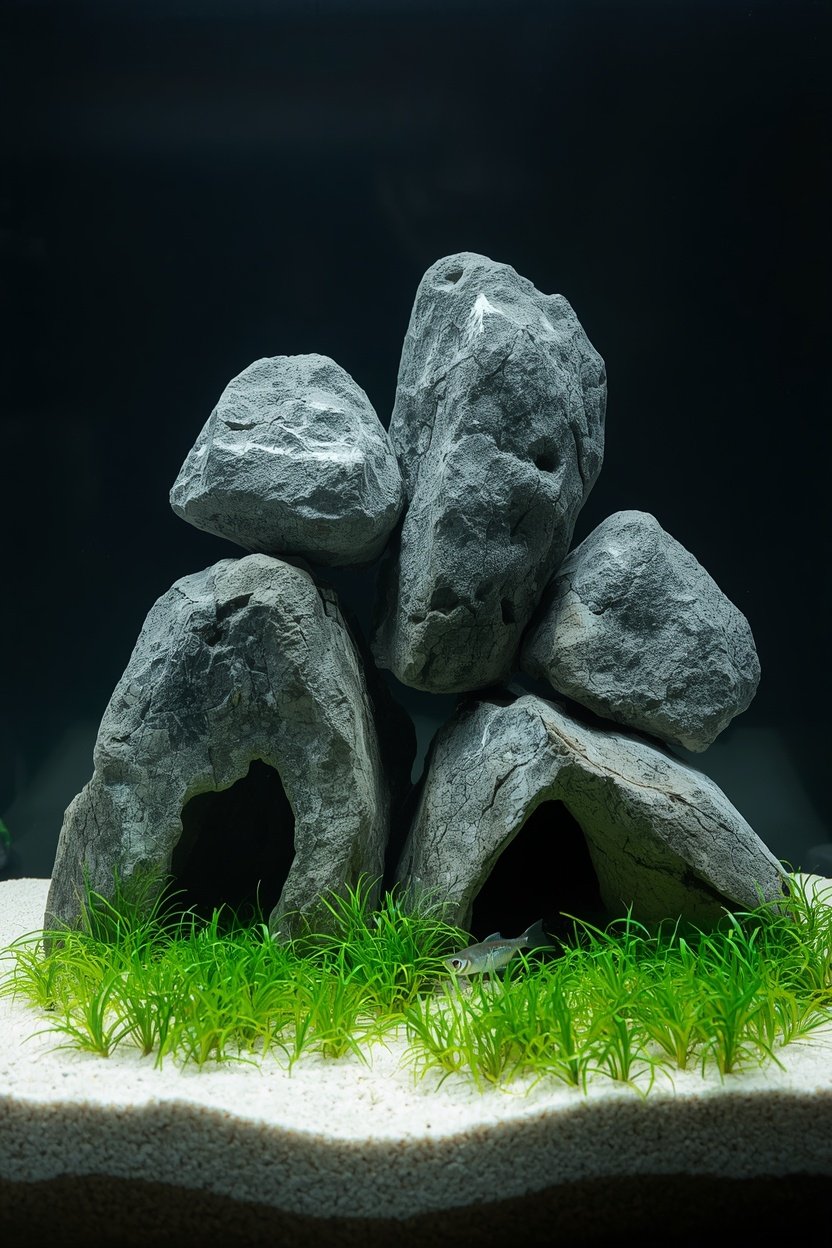 |
Step 2: Build the Base — Substrate, Hardscape, and Lighting
Substrate is the foundation of any design, both visually and functionally. Fine gravel or sand suits most community tanks and bottom-dwelling fish, while nutrient-rich planted substrate is worth the extra cost if live plants are part of the plan. Rinse any substrate thoroughly before adding it — cloudy water on day one is almost always leftover dust, not a filtration problem.
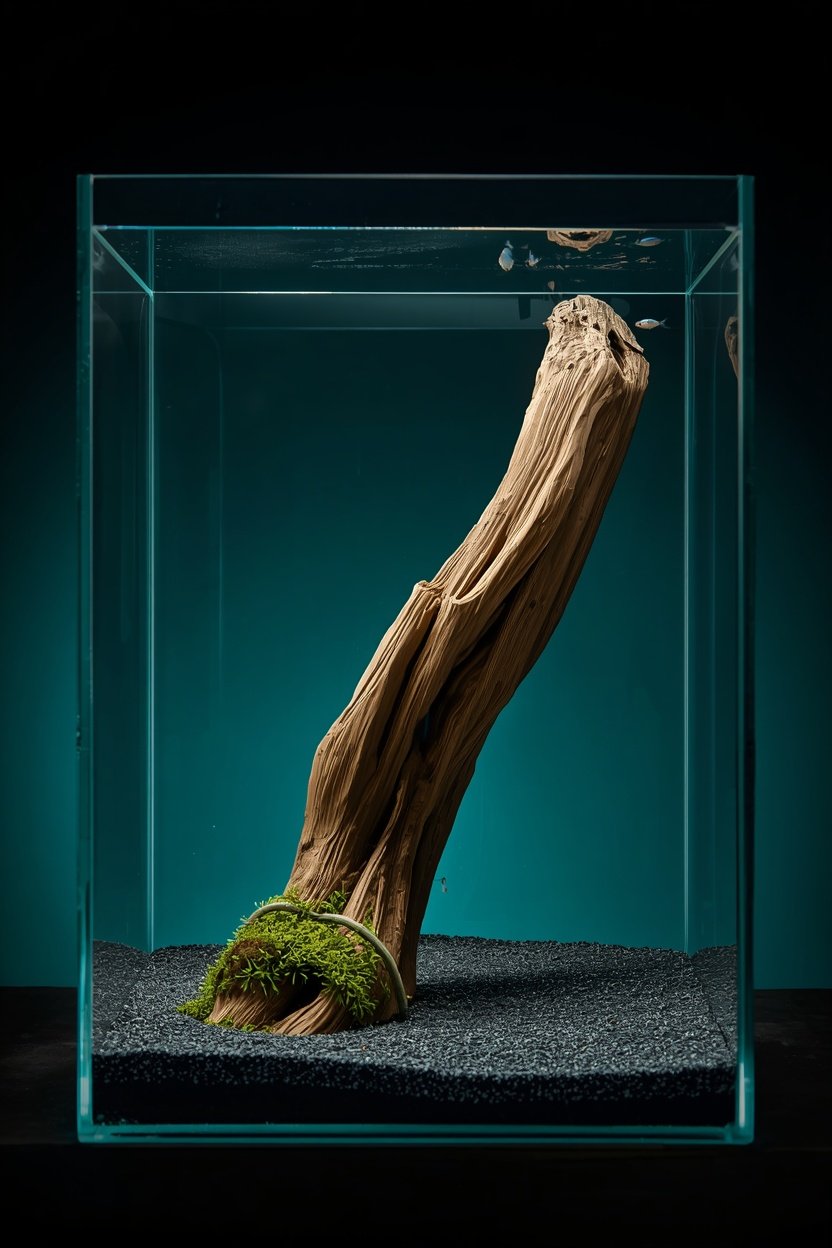
Hardscape — the driftwood, rock, and stone that forms the "skeleton" of the layout — should go in before smaller decorations. Arranging the large pieces first, then filling in around them with plants and finer detail, tends to produce a far more natural-looking result than adding decor piece by piece with no plan.
Lighting ties the whole design together. A full-spectrum LED fixture makes colors pop and supports live plants if you choose to include them, while dimmer or warmer lighting suits fish-only tanks with a moodier, more subdued look.
Step 3: Pick an Aquascaping Style That Fits Your Skill Level
Aquascaping styles are simply proven templates for arranging hardscape and plants. Picking one before shopping for decor keeps the finished tank looking intentional rather than cluttered. Here is how the most common beginner-accessible styles compare:
|
Style |
Difficulty |
Best For |
Key Elements |
|
Minimalist / Beginner |
Easy |
First-time tank owners |
One focal piece, simple substrate, open swimming space |
|
Nature Style (Iwagumi) |
Intermediate |
Calm, balanced layouts |
Odd-numbered rock groupings, low carpet plants |
|
Biotope |
Intermediate |
Realism and species-specific tanks |
Materials sourced to mimic one natural habitat |
|
Dutch Style |
Advanced |
Plant enthusiasts |
Layered plant "streets," minimal hardscape |
For a first attempt, the minimalist approach is usually the least stressful: pick one strong focal piece — a large driftwood branch or a rock cluster — and let the rest of the tank stay open and uncluttered.
Step 4: Decor Ideas to Bring Your Design to Life
Once the style is chosen, decor is what gives the tank personality. Below are five reliable beginner-friendly decor directions. Detailed image references and creation prompts for each idea are provided in the companion decor-image file that accompanies this article.
• Driftwood centerpiece with moss: A single large branch positioned off-center, with moss tied on to soften the bare wood over a few weeks.
• Layered rock cave system: Stacked or leaning stones that create small caves for shy or bottom-dwelling fish.
• Carpet plant foreground: Low, ground-hugging plants along the front glass to hide the substrate line and add a lush green foreground.
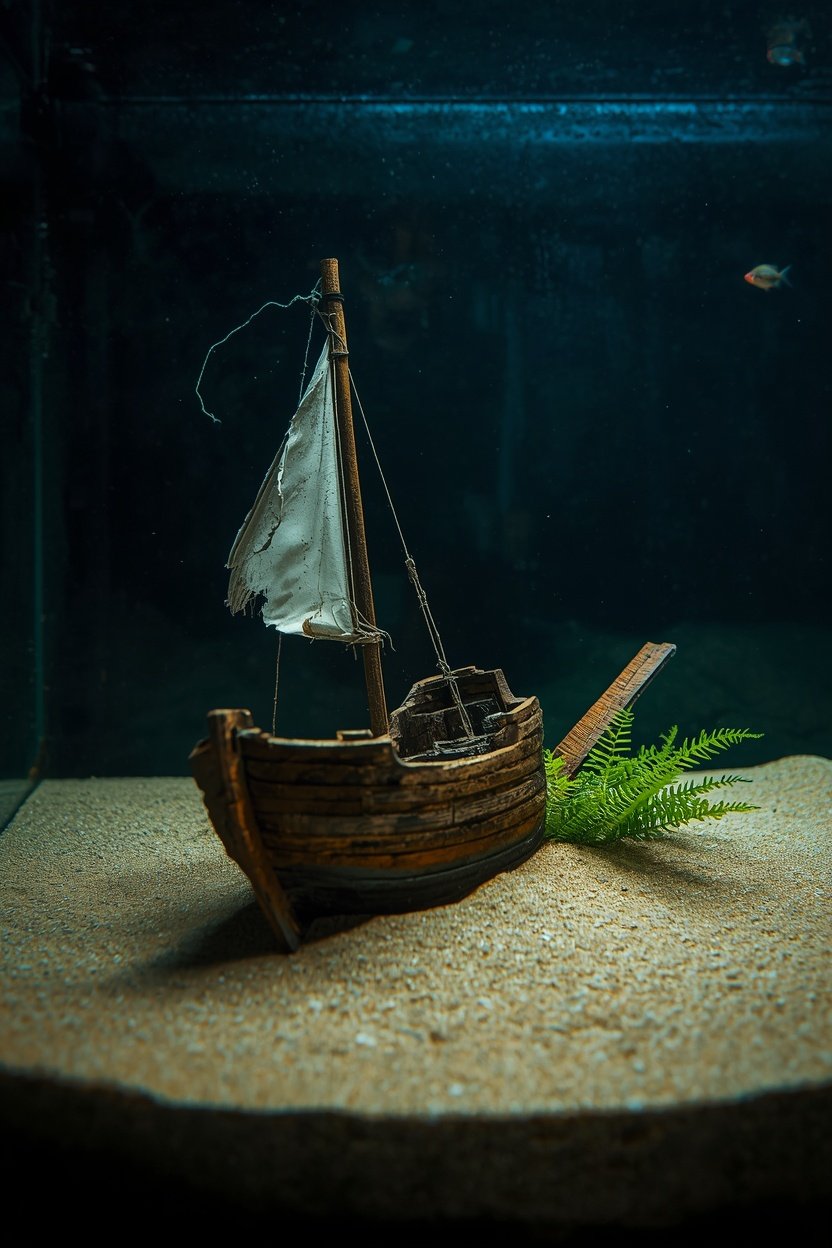
• Sunken shipwreck theme: A small sunken-ship or ruin ornament as a single dramatic focal point, kept away from the filter intake.
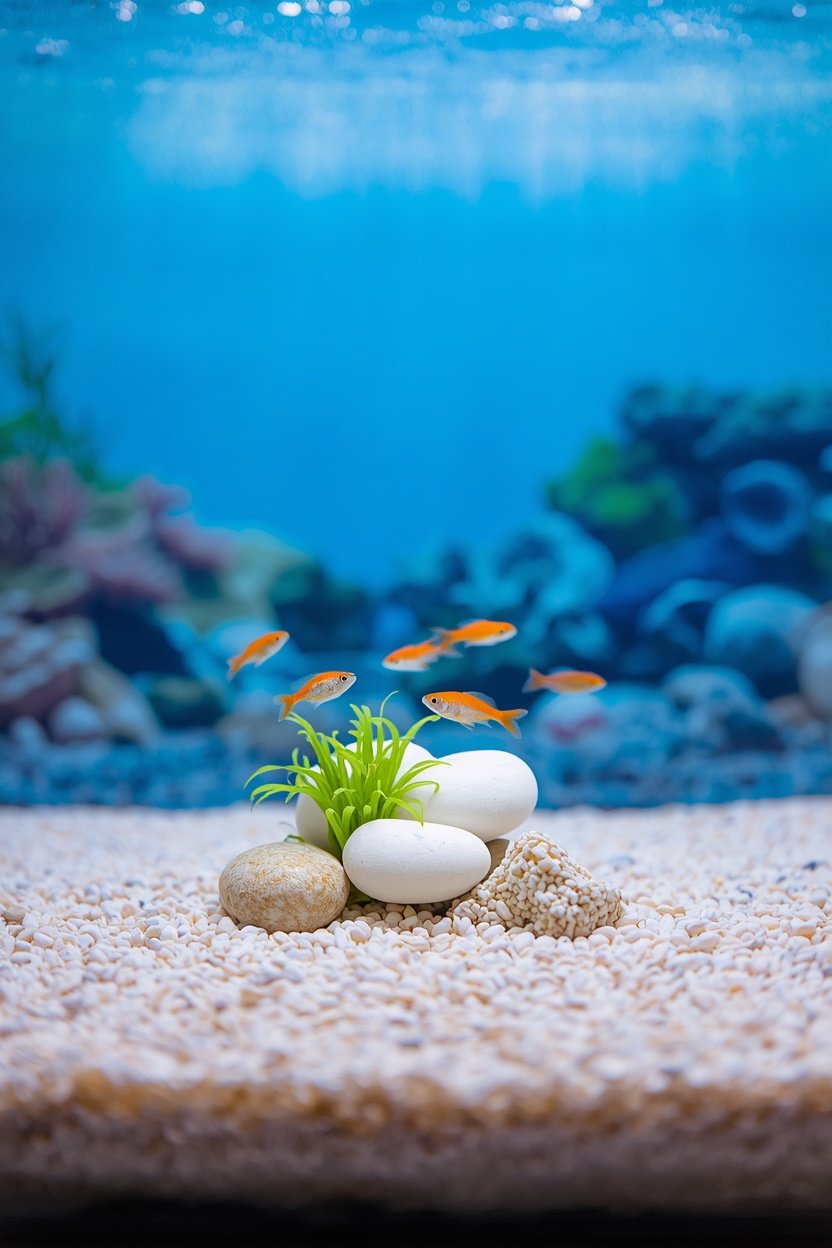
• Colorful gravel and backdrop: A printed background poster paired with contrasting gravel to make fish colors stand out.
|
Pro Tip Group decor in odd numbers (one, three, or five pieces) and place the main focal point slightly off-center rather than dead-center. This "rule of thirds" approach is a simple trick that instantly makes a layout look more natural. |
Step 5: Choose Fish That Complement the Design
Design and fish selection work together. Open swimmers like tetras or danios need clear horizontal space in the middle of the tank, while corydoras and loaches need soft substrate and caves near the bottom. Schooling species should be kept in groups of six or more, so leave enough open water for the group to move together instead of splitting around obstacles.
Matching fish behavior to the layout is one of the simplest ways to make a tank feel calm and alive rather than crowded or empty.
Common Beginner Mistakes to Avoid
|
Watch Out For Overcrowding the tank with decor, using sharp or unrinsed ornaments that can injure fish, skipping the substrate rinse, and choosing pieces that are out of scale with the tank size are the most frequent beginner design mistakes. Start with fewer items than you think you need — it is always easier to add more later than to redo a cluttered layout. |
Maintenance Tips to Keep the Design Looking Its Best
A great layout still needs upkeep. Trim fast-growing plants regularly so they do not overwhelm the hardscape, siphon debris from between rocks and driftwood during water changes, and wipe algae from decor before it spreads. If the design starts to feel stale, rearranging one or two pieces is usually enough to refresh the whole tank without a full teardown.
