
My first attempt at live plants was a disaster — I bought whatever looked prettiest in the store, planted everything the same way, and watched most of it melt away within a few weeks. It took some real research into how plants actually feed, what different species genuinely need, and which mistakes were quietly working against me before my tank finally turned into the lush, thriving display I'd originally pictured.
This guide covers the essential foundation every beginner needs before adding live plants to a freshwater tank: which species to start with, how substrate and lighting actually work, and the recurring mistakes that trip up most first attempts. Each section includes a detailed image prompt so you can visualize the concepts before shopping for your own plants.
Why Live Plants Are Worth the Learning Curve
Live plants do more than look attractive — they help absorb excess nutrients that would otherwise fuel algae growth, provide natural cover and grazing surfaces for fish and shrimp, and create the kind of textured, dimensional look that's difficult to achieve with plastic alternatives alone. The initial learning curve is real, but it's also considerably smaller than most beginners expect once the basic principles click into place.
1. Start With Easy, Low-Light Plants
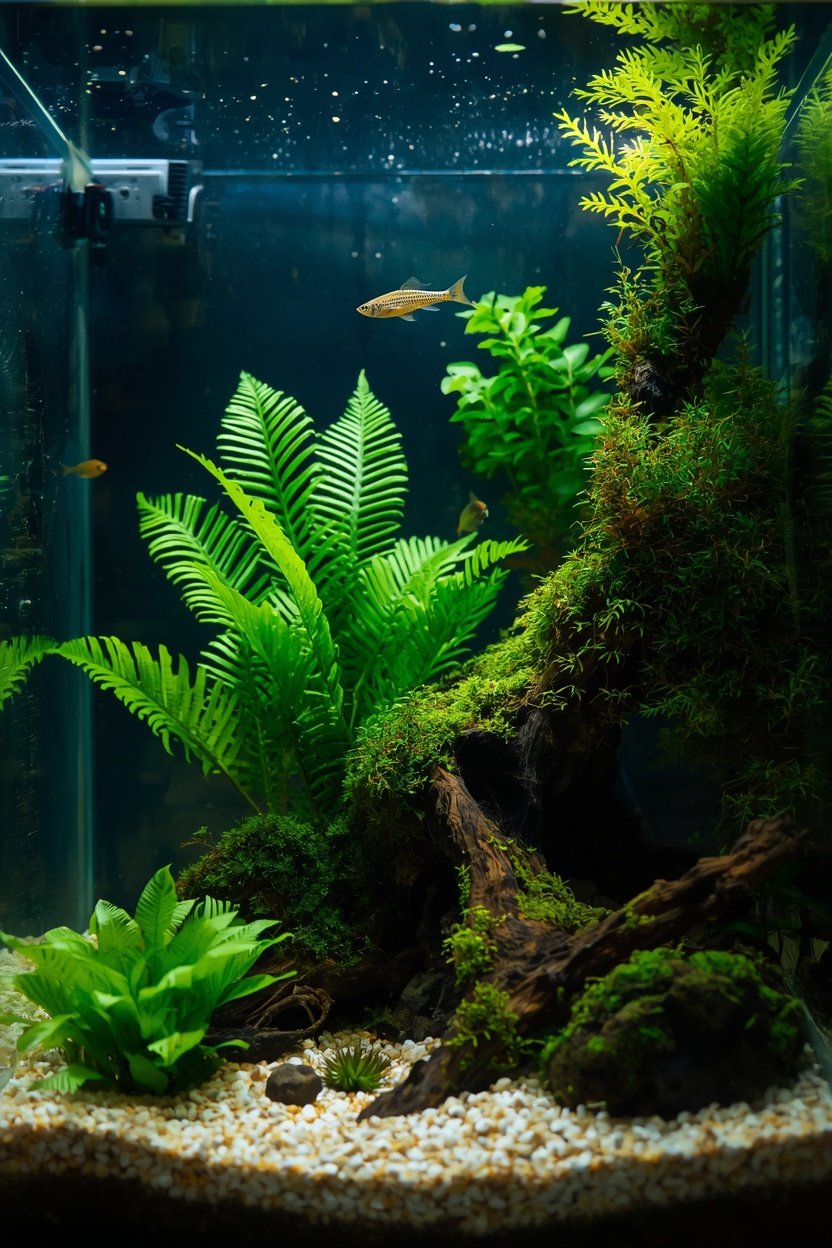
The fastest way to get discouraged with live plants is choosing a demanding species before understanding basic plant care, so beginners are almost always better served starting with a handful of genuinely forgiving options. Java fern, anubias, and java moss top this list for good reason: all three tolerate a wide range of lighting conditions, don't require injected CO2, and are notoriously difficult to kill even with inconsistent care.
These plants also share a helpful trait for beginners — they attach to hardscape rather than needing to be planted in substrate, which means they're less likely to be uprooted by digging fish and easier to reposition if you change your mind about placement. Simply tying them to driftwood or rock with thin fishing line or plant-safe glue is usually all the setup they need.
Once you've kept one of these easy species successfully for a few months, you'll have a much better feel for how your specific tank's lighting, water chemistry, and maintenance routine affect plant health, which makes choosing a slightly more demanding species later a far less risky decision.
2. Choose the Right Substrate for Your Plant Types
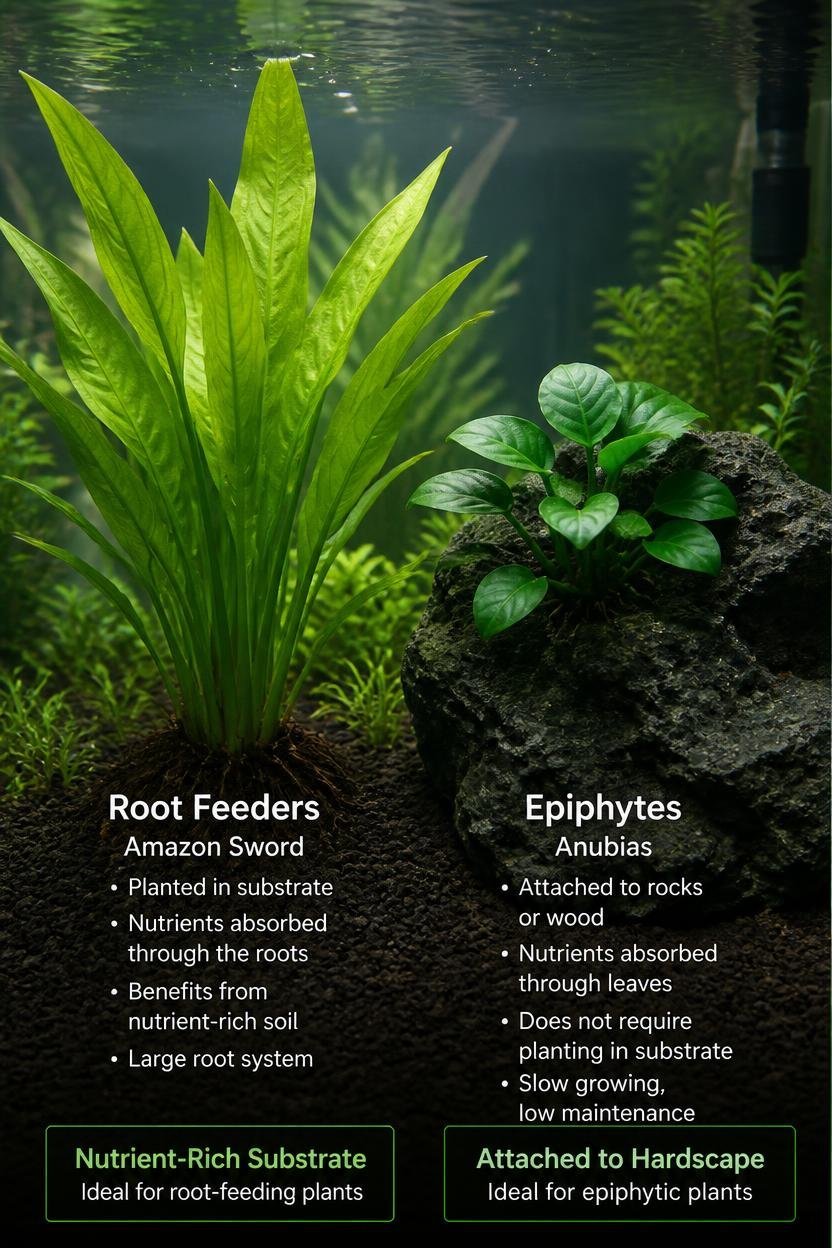
Not all aquarium plants feed the same way, and understanding this distinction early prevents a common beginner mistake: planting root feeders in a substrate that can't actually support them. Root-feeding plants like Amazon sword and cryptocoryne draw nutrients primarily through their root system, meaning they generally need a nutrient-rich planted substrate or root tabs buried near their base to truly thrive.
Epiphytic plants like java fern and anubias, by contrast, absorb nutrients mainly through their leaves from the water column, which is exactly why they're typically attached to hardscape rather than planted in substrate at all. Planting these species' rhizome directly into gravel is actually a common mistake that can cause the plant to rot over time.
Before buying any substrate, it's worth deciding roughly what mix of root feeders and epiphytes you plan to keep, since a tank built entirely around water-column feeders doesn't need an expensive nutrient-rich substrate, while a tank centered on root feeders genuinely benefits from one.
3. Provide Lighting Matched to Your Plant Choices
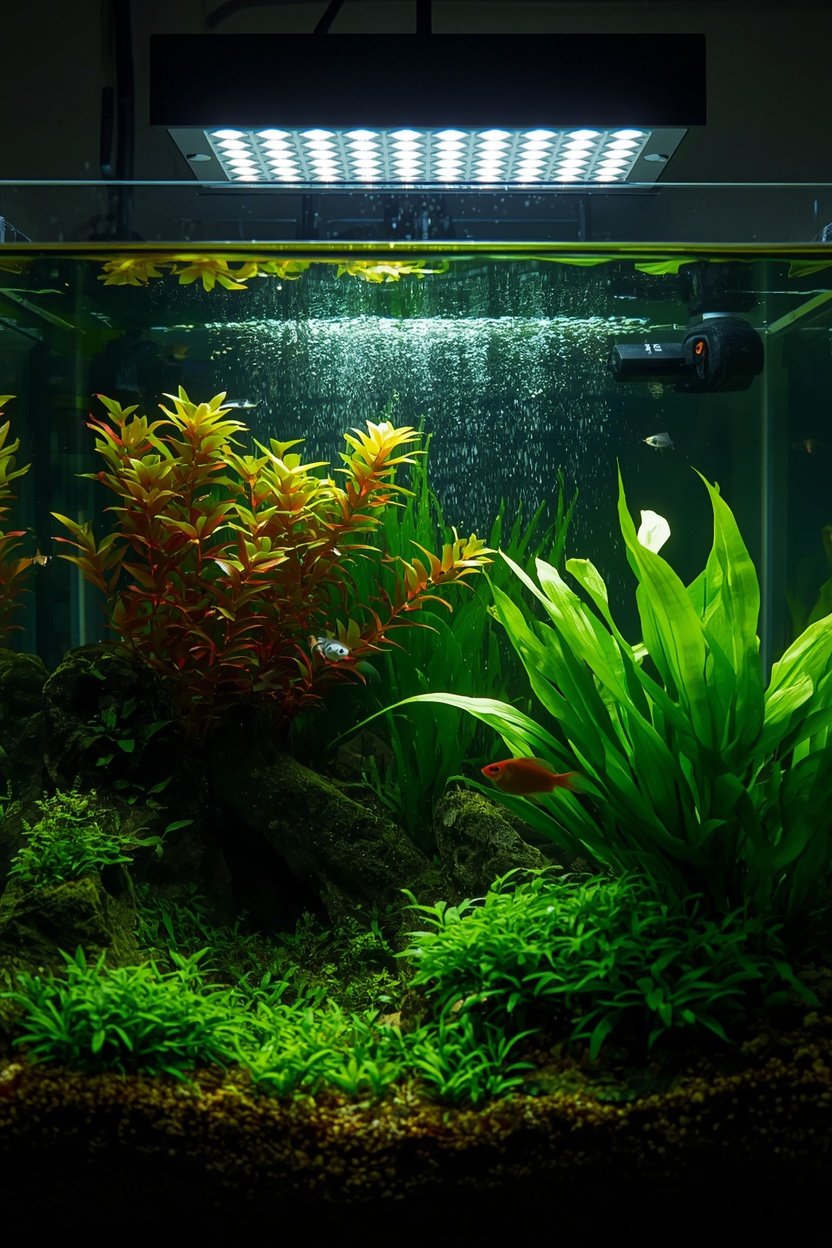
Lighting is where many beginner planted tanks quietly fail, usually because the light provided doesn't match what the chosen plants actually need. Low-light species like java fern and anubias can thrive under a basic starter kit light, but more demanding plants like dwarf hairgrass or red-leafed species generally require a stronger, full-spectrum LED fixture to grow well and hold their color.
A helpful rule for beginners is matching plant selection to your existing light rather than upgrading lighting to match a wish list of demanding plants, at least until you're comfortable with the basics of plant care. This keeps the whole setup simpler and considerably reduces the risk of algae blooms, which often result from light levels mismatched to what plants can actually use.
If you do want to grow more demanding species eventually, research your specific plants' light requirements in terms of intensity and duration, and consider a timer to keep the light cycle consistent, since irregular lighting schedules are almost as disruptive to plant health as insufficient light itself.
4. Avoid the Most Common Beginner Mistakes
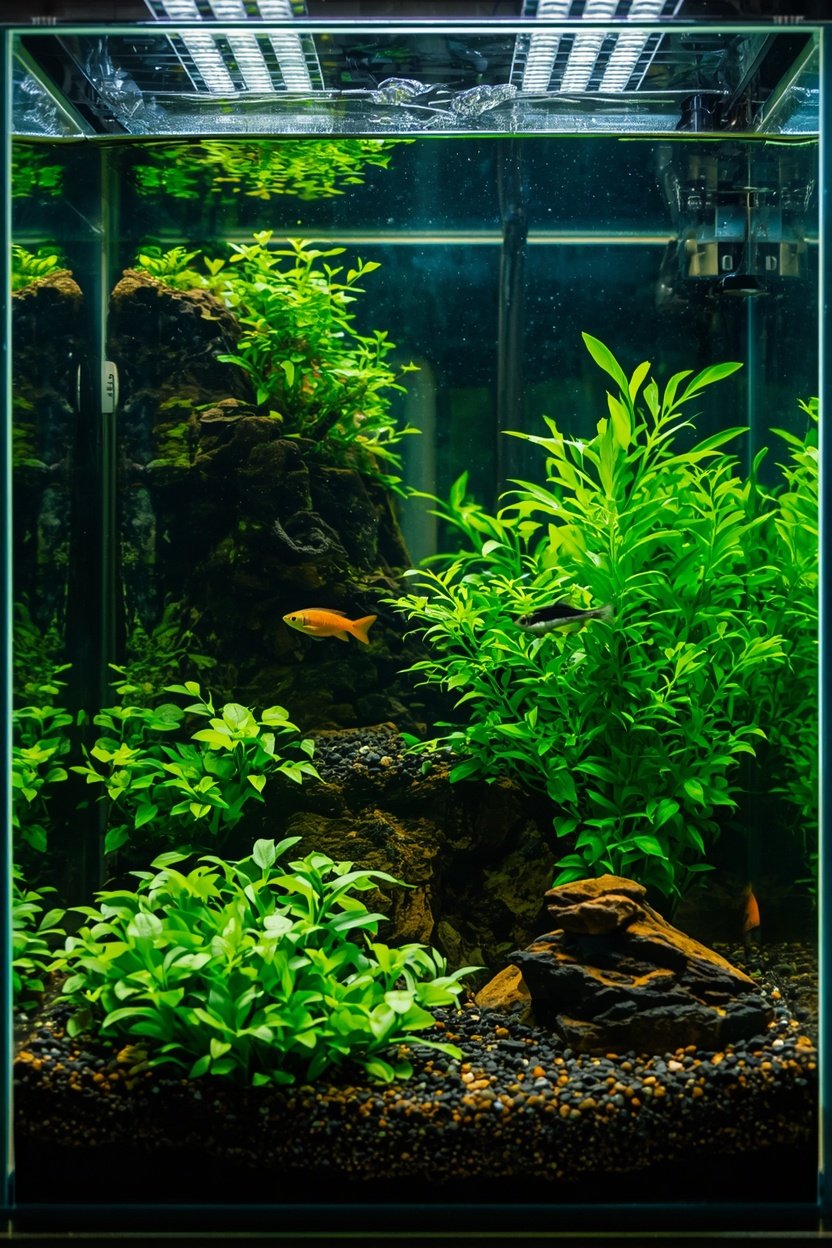
Beyond individual plant choices, a handful of recurring mistakes trip up most first-time planted tank owners. Overcrowding a small tank with too many plant species at once makes it hard to diagnose problems, since multiple plants may be struggling for different reasons simultaneously, muddying any troubleshooting. Starting with three or four species rather than a dozen makes cause and effect far easier to track.
Another common mistake is expecting immediate, lush growth, when most aquarium plants need several weeks to adjust to a new tank's specific water chemistry before visible new growth appears. Patience during this adjustment period, rather than assuming a plant is failing and replacing it too early, saves considerable frustration and expense.
Finally, neglecting basic nutrient supplementation is a frequent oversight, since even easy, forgiving plant species benefit from at least a basic liquid fertilizer routine over time. A tank with only fish waste as a nutrient source often supports survival but not genuinely vigorous growth, which is usually the visible difference between a merely adequate planted tank and a genuinely thriving one.
Quick Reference Tips for New Plant Keepers
- Rinse new plants before adding them. A gentle rinse removes any residue from packaging or transport and gives you a chance to check for pests before introducing plants to your tank.
- Trim regularly, not just when plants look overgrown. Consistent light trimming encourages fuller, healthier growth compared to occasional drastic cuts.
- Watch for signs of nutrient deficiency. Yellowing leaves or stunted new growth often signal a nutrient gap worth addressing with fertilizer rather than a lighting or CO2 problem.
- Keep a simple care log during your first few months. Tracking what you've added and changed makes it much easier to identify what's actually affecting plant health.
Final Thoughts
Freshwater aquarium plants reward patience and a basic understanding of how they actually feed and grow, far more than they reward an expensive setup or rare species chosen for their looks alone. Start with a few genuinely easy species, match your substrate and lighting to what those plants actually need, and give everything time to settle in before judging success or failure. Get these fundamentals right, and a lush, thriving planted tank becomes a realistic goal rather than something that only seems to work out for more experienced hobbyists.
Frequently asked questions
Do all freshwater aquarium plants need CO2 injection?
No, many easy beginner species like java fern, anubias, and java moss grow well without injected CO2, though more demanding plants generally do benefit from it for faster, denser growth.
How long does it take for new aquarium plants to establish?
Most plants need two to four weeks to adjust to a new tank's specific water chemistry before visible new growth appears, so it's normal not to see rapid progress immediately after planting.
Can I keep live plants with fish that eat plants, like goldfish?
Tough, unpalatable species like anubias and java fern generally survive better with plant-eating fish than soft-leaved species, especially when anchored to hardscape rather than planted directly in substrate.
