
When I set up my first planted tank, I genuinely didn't realize substrate was a decision worth researching — I assumed any bag labeled "aquarium soil" would work the same as any other. My plants grew slowly, my water parameters swung unpredictably, and it took switching to a proper nutrient substrate before I understood just how much the soil beneath the water actually shapes everything happening above it.
This guide breaks down the four main types of aquarium soil you'll encounter while shopping, what each one actually does, and which kind of tank or hobbyist each is best suited for. Every soil type includes a detailed image prompt so you can visualize how each one looks and performs in a real planted tank before making a purchase.
Why Substrate Choice Matters More Than Most Beginners Expect
Aquarium soil isn't just a visual base layer — it directly affects water chemistry, plant root health, and even the beneficial bacteria colonies supporting your tank's overall biological filtration. Choosing the wrong type for your specific goals, whether that's a heavily planted CO2 tank or a simple shrimp colony, can mean fighting against your substrate rather than benefiting from it for the entire life of the tank.
1. Active Aquasoil (Nutrient-Rich, pH-Lowering)
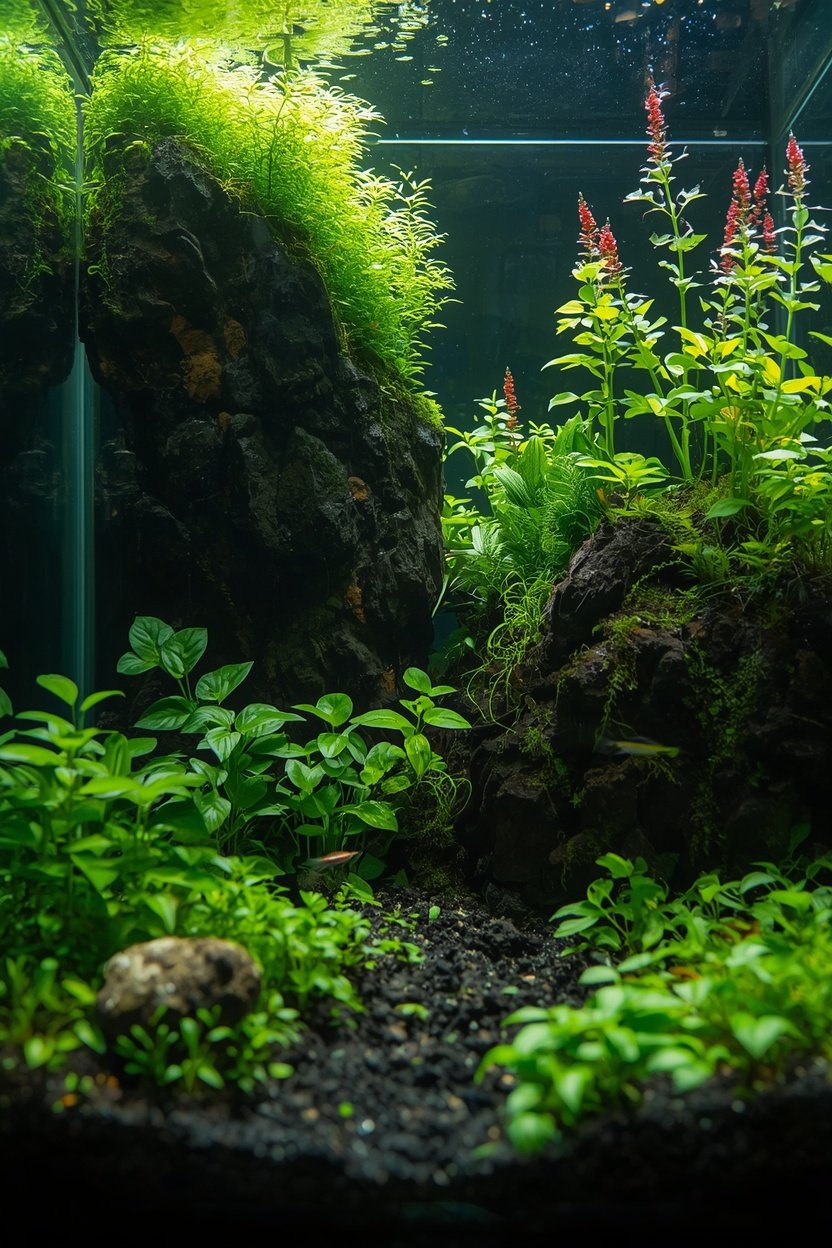
Active aquasoil is the substrate most serious planted-tank hobbyists reach for first, made from baked or fired clay granules packed with nutrients and designed to slowly lower and soften water over time. This "active" quality — actually shifting your water chemistry toward a slightly acidic, soft profile — is what sets it apart from every other soil type on this list, making it especially popular for CO2-injected tanks growing demanding stem plants and carpeting species.
The soft, dark granules also happen to look genuinely striking on their own, giving a tank a rich, natural forest-floor color that complements green plants beautifully without needing a capping layer. Most active aquasoils do release a noticeable ammonia spike during the first one to two weeks as they break in, which makes fishless cycling essential before adding any livestock.
Because active aquasoil breaks down and compacts gradually over one to two years, it's generally considered a semi-consumable substrate that eventually needs replacing or supplementing, which is worth factoring into long-term cost compared to more permanent substrate options.
2. Inert Capped Soil (Budget DIY Method)
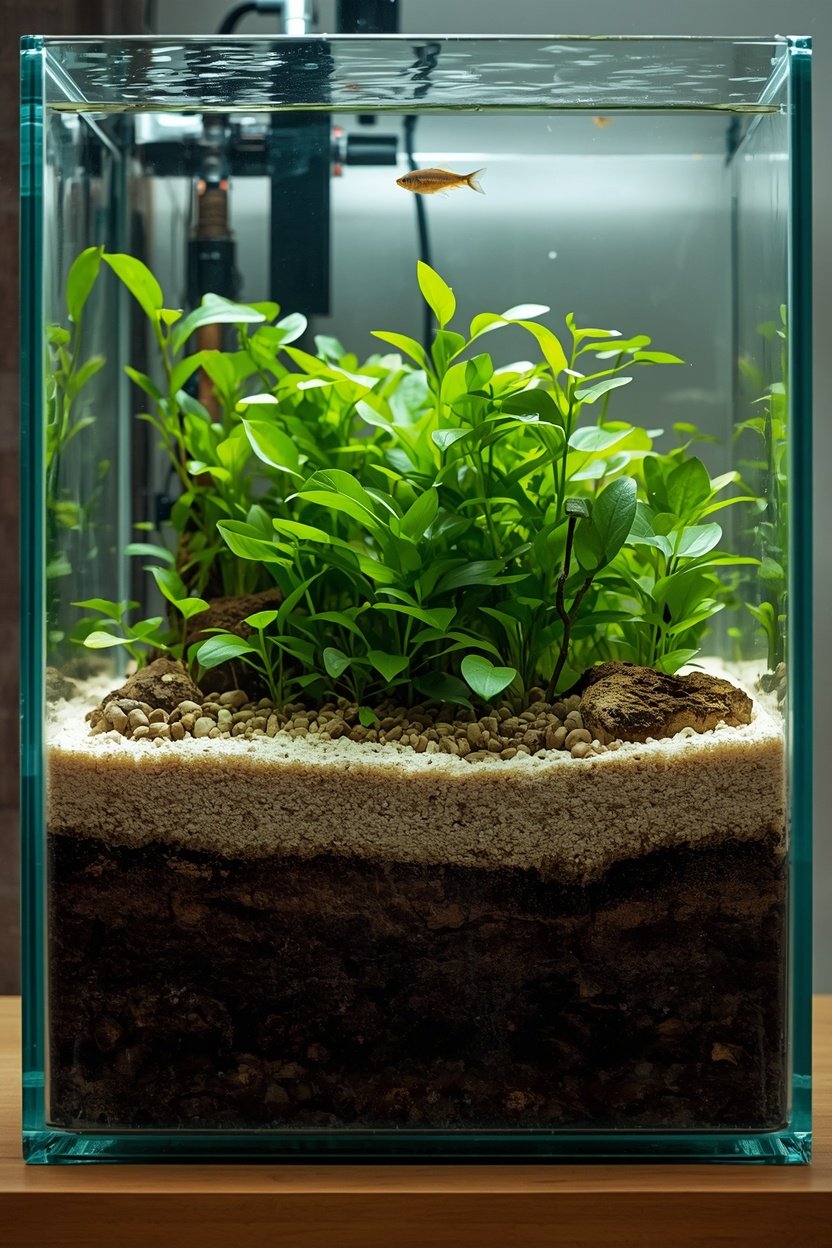
This approach uses an affordable organic potting soil or topsoil layer, free of added fertilizers or pesticides, pressed down and then capped with a layer of sand or fine gravel to hold everything in place. It's a favorite among budget-conscious and DIY-minded hobbyists, since a bag of plain topsoil costs a fraction of specialty aquasoil while still providing genuine nutrient content for root-feeding plants.
The capping layer does double duty, both anchoring the loose soil beneath it and giving you full control over the substrate's final visible color and texture, whether that's a pale natural sand or a darker, more dramatic gravel. This flexibility is part of why the method remains popular despite requiring more manual effort than simply pouring a bag of pre-made aquasoil straight into the tank.
The tradeoff is a messier, more involved setup process and a higher risk of disturbing the soil layer during future rearranging, since digging into the substrate can cloud the water with released organic material if the capping layer is breached.
3. Clay-Based Substrate
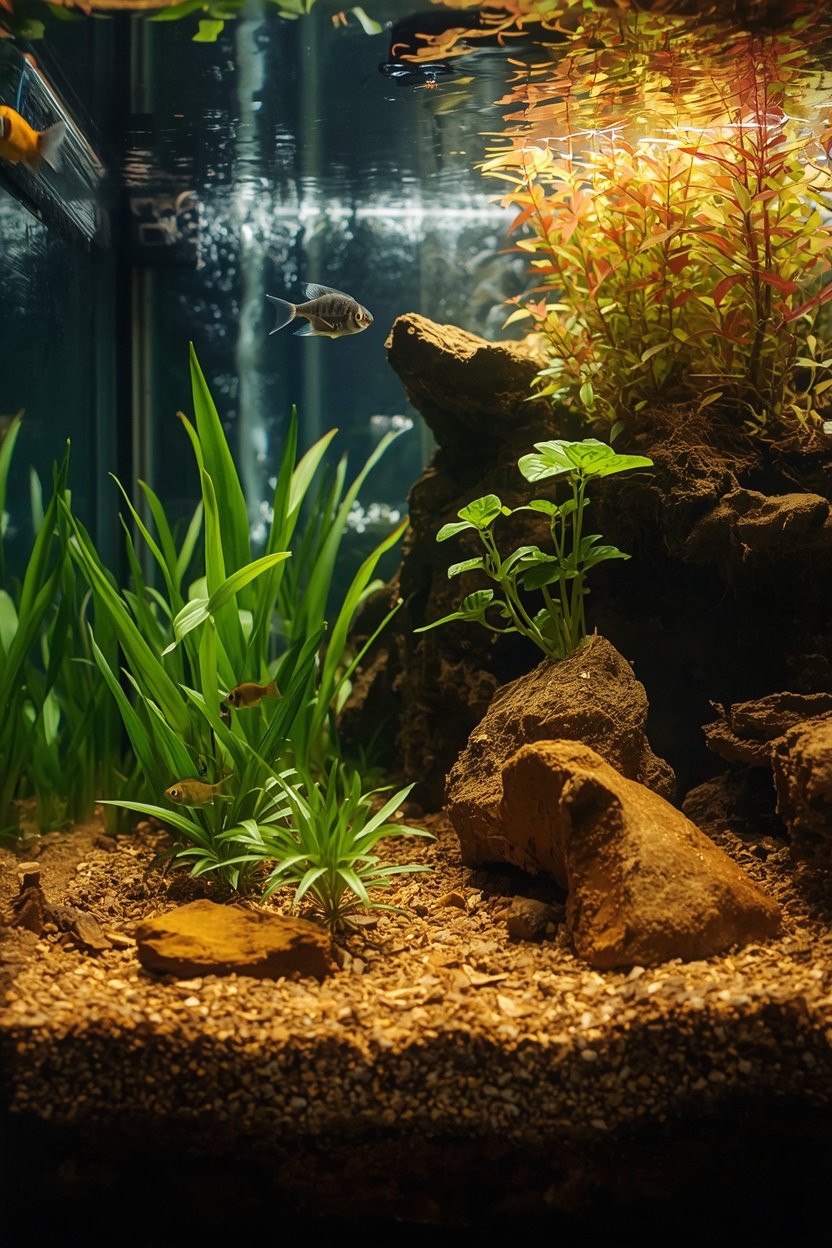
Clay-based aquarium substrates use natural clay minerals, sometimes combined with laterite, to provide a nutrient-holding base that supports root growth without the more dramatic water chemistry shifts of active aquasoil. This makes clay-based substrate a solid middle-ground choice for hobbyists who want genuine nutritional support for plants without committing to the more demanding water parameter management active aquasoil often requires.
Clay particles have a natural ability to bind and hold onto nutrients, slowly releasing them to plant roots over time rather than leaching quickly into the water column, which tends to support steadier, more sustained plant growth. Many clay-based products are also considered more stable and longer-lasting than active aquasoil, without the same one-to-two-year breakdown timeline.
This substrate type typically comes in a more neutral, earthy color range than the darker tones of active aquasoil, which some hobbyists prefer for a lighter, more natural-looking aquascape, particularly in lighter-themed or coastal-style tank designs.
4. Porous Volcanic Substrate (Lightweight, Shrimp-Friendly)
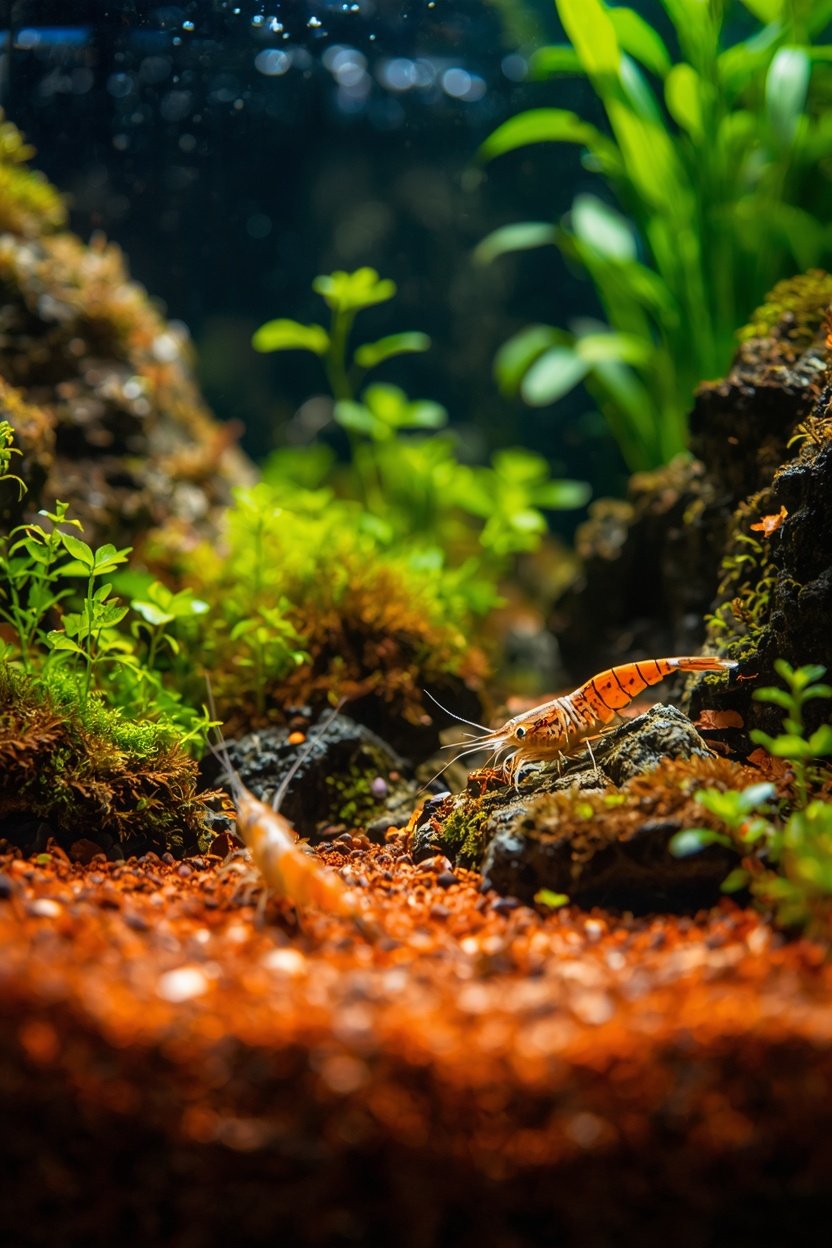
Porous volcanic substrates are made from lightweight, mineral-rich volcanic material, offering a distinctly different texture and structure from clay-based aquasoils. Their porous surface hosts substantial beneficial bacteria colonies, supporting biological filtration directly within the substrate itself, while their lighter weight makes large-scale aquascaping projects noticeably easier to lift and arrange compared to denser soil types.
This substrate type has become especially popular in the shrimp-keeping community, since its texture and mineral content tend to support the stable water conditions many ornamental shrimp species need to molt and breed successfully. The rounded, granular shape is also gentle on delicate shrimp legs and antennae compared to sharper substrate options.
Like active aquasoil, porous volcanic substrate can shift water chemistry, though generally more mildly, so testing your specific product's effect on your water parameters before stocking sensitive species remains an important step regardless of the substrate's reputation for stability.
Tips for Choosing the Right Soil for Your Tank
- Match your substrate to your plant goals. Heavily planted, high-tech CO2 tanks generally benefit most from active aquasoil, while simpler setups can thrive with clay-based or capped soil options.
- Always cycle fishless after adding active substrates. Nutrient-rich soils often release ammonia initially, so test water and cycle fully before introducing fish or shrimp.
- Consider your livestock's sensitivity. Shrimp keepers in particular should research a specific substrate's effect on water hardness and mineral content before committing.
- Budget for eventual replacement with active soils. Active aquasoil's one-to-two-year breakdown timeline is worth factoring into your long-term aquarium costs from the start.
Final Thoughts
The right aquarium soil depends entirely on what you're trying to grow and keep, not on which option simply looks best on a store shelf. Active aquasoil suits demanding, heavily planted tanks; capped soil offers an affordable DIY route; clay-based substrate provides steady, long-lasting nutrition; and porous volcanic substrate suits shrimp keepers prioritizing stability and gentle texture. Understanding these real differences before you buy saves both money and the frustration of fighting an ill-suited substrate for months afterward.
Frequently asked questions
Can I mix different types of aquarium soil in one tank?
Yes, some hobbyists layer an active aquasoil base with a capping layer of sand or fine gravel on top, combining nutrient benefits with a specific visual finish, though it's worth researching compatibility between your chosen products first.
How long does aquarium soil actually last?
Active aquasoil typically lasts one to two years before breaking down significantly, while inert capped soil, clay-based substrate, and porous volcanic substrate generally last considerably longer with proper maintenance.
Do I need special substrate for a low-tech, non-CO2 planted tank?
Not necessarily — clay-based or even capped soil options can support a low-tech planted tank well, since the more dramatic benefits of active aquasoil are most valuable in higher-light, CO2-injected setups with more demanding plant species.
