
For a long time, I fed my fish flakes exclusively, mostly because frozen food seemed like an unnecessary extra step for a beginner. It wasn't until I finally tried a cube of frozen bloodworms that I noticed a genuine difference — my fish were noticeably more active at feeding time, and over the following weeks, their colors seemed richer than they had on flakes alone. Frozen food turned out to be one of the simplest upgrades I could make to my fish's actual diet, not just a fun extra.
This guide covers four of the most useful frozen foods available to home aquarists, each suited to slightly different fish and feeding goals. Every idea includes a detailed image prompt so you can visualize how each food looks and behaves in the tank before adding it to your own feeding routine.
Why Frozen Food Makes a Real Difference
Frozen food generally retains more of its original nutritional value than dried flakes or pellets, since the freezing process preserves proteins, fats, and nutrients that can degrade during the drying and processing used for shelf-stable foods. Beyond nutrition, frozen food's texture and movement in the water column also trigger a stronger, more natural feeding response in many fish, encouraging the kind of active hunting and foraging behavior that dried food alone often doesn't.
1. Bloodworms for a Protein-Rich Staple
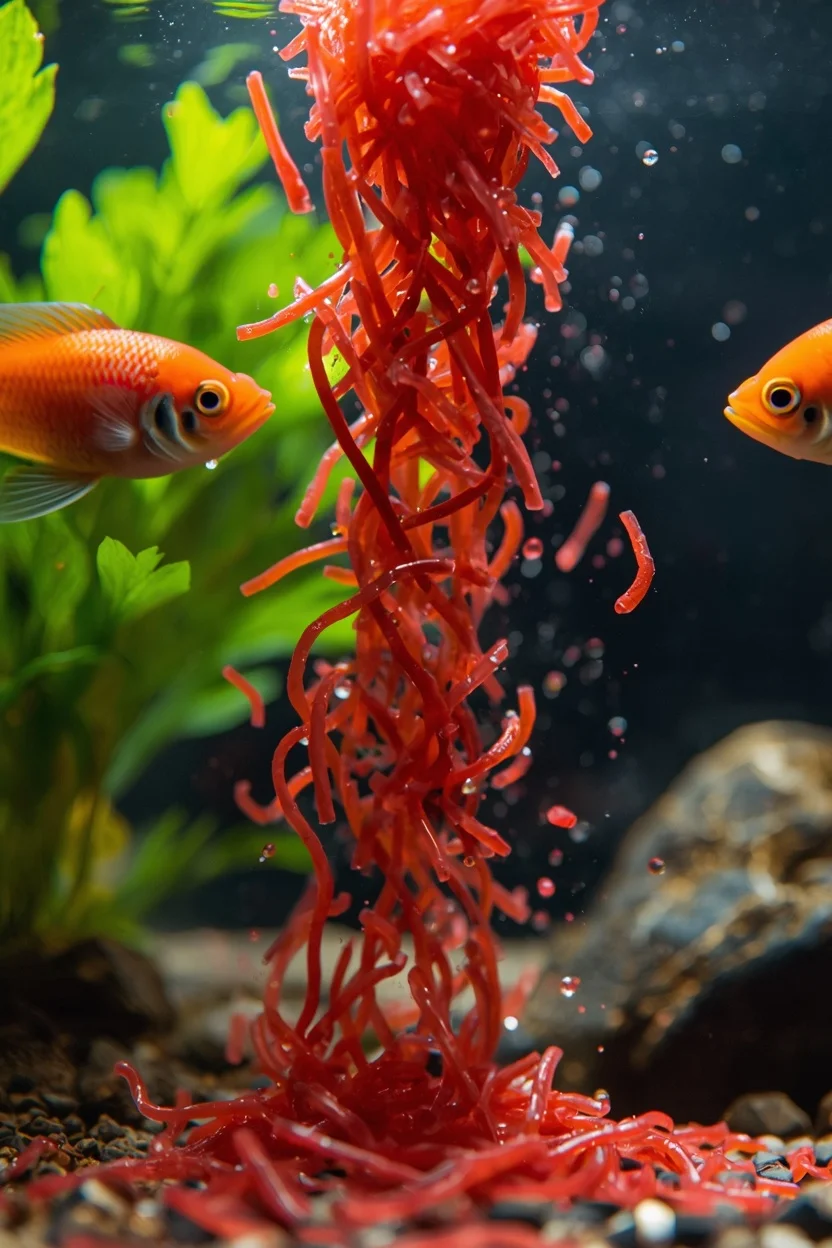
Frozen bloodworms are one of the most widely used frozen foods in the hobby, and for good reason: they're packed with protein and readily accepted by a huge range of fish, from bettas and gouramis to larger cichlids. Their deep red color and wriggling texture also trigger a strong natural feeding response, making them useful for coaxing shy or newly introduced fish into eating.
Because bloodworms are fairly rich, they work best as a regular supplement rather than the sole component of a diet, especially for smaller fish that can be prone to overfeeding on something this protein-dense. Thaw a small cube in a bit of tank water before feeding rather than dropping it in frozen, which helps prevent a sudden temperature or ammonia spike from excess uneaten food.
Most fish respond enthusiastically to bloodworms the very first time they're offered, making this a reliable starting point for beginners looking to introduce frozen food into their feeding routine for the first time.
2. Brine Shrimp for Smaller Fish and Fry
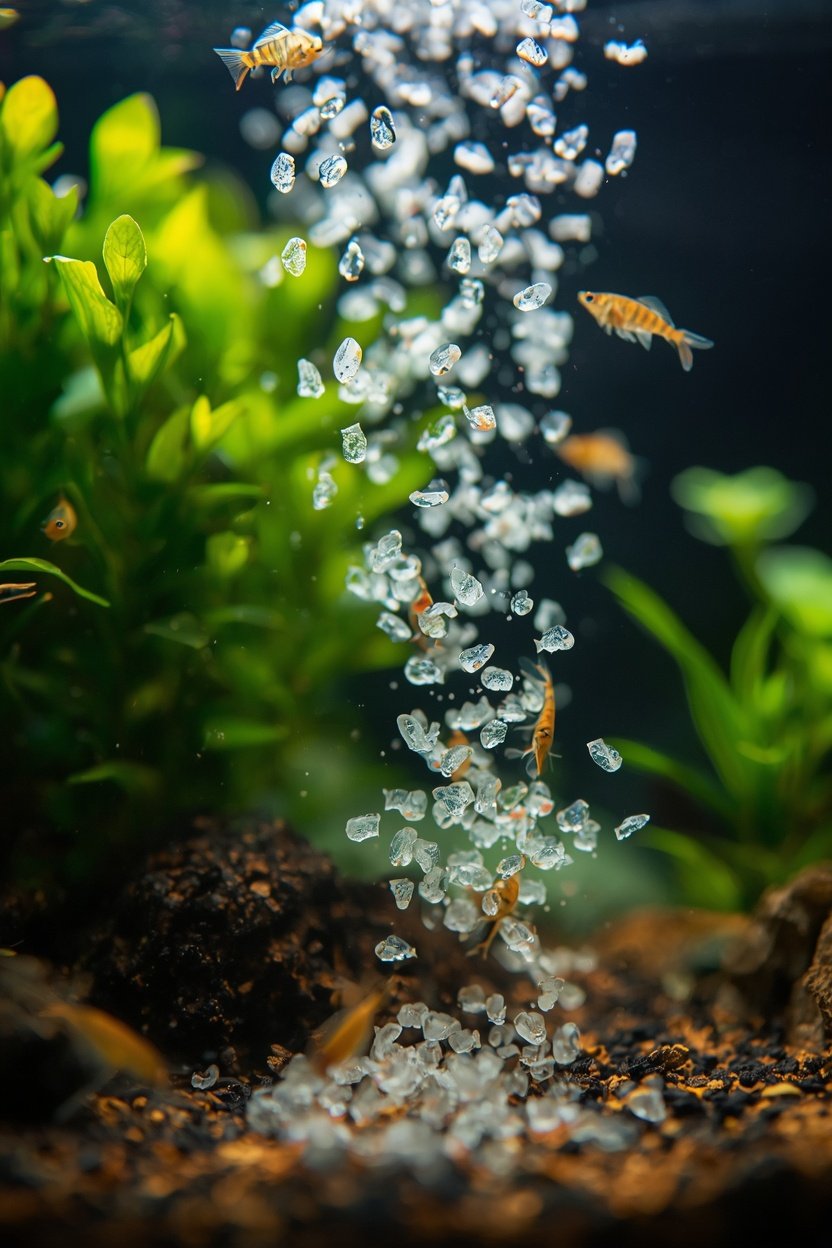
Frozen brine shrimp offer a lighter, less rich alternative to bloodworms, making them particularly well suited to smaller fish, fry, and species with more delicate digestive systems. Their smaller size also makes them easier for tiny mouths to actually consume, which matters considerably when feeding juvenile fish or naturally small adult species like certain tetras.
Brine shrimp carry a good balance of protein without being as calorie-dense as bloodworms, making them a solid everyday option rather than strictly an occasional treat. Many breeders specifically rely on brine shrimp to help condition adult fish for spawning, since the nutritional profile supports healthy egg and fry development.
As with any frozen food, thawing a small portion in tank water before feeding, rather than adding a frozen cube directly, helps keep water quality stable and prevents the shock of sudden temperature change in a small feeding area.
3. Mysis Shrimp for Nutrient Density and Color
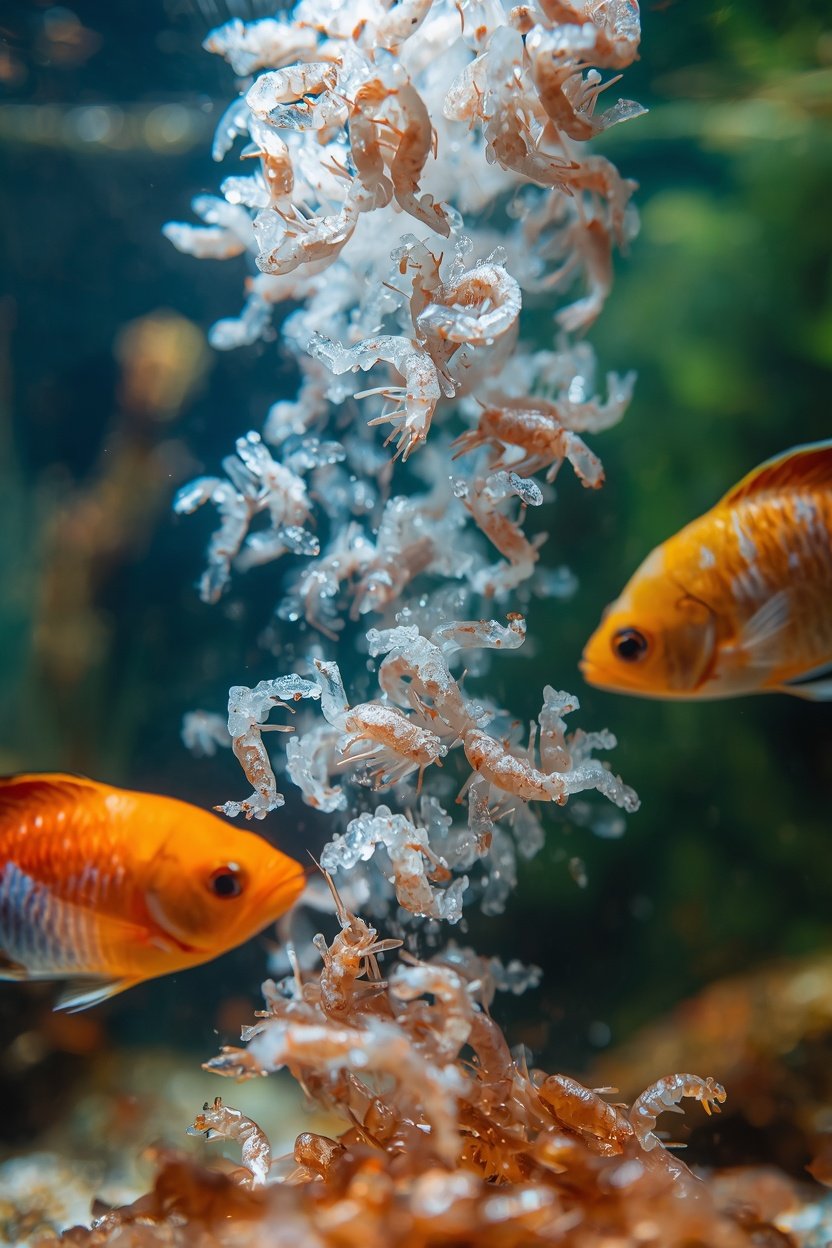
Frozen mysis shrimp are prized among more experienced hobbyists for their exceptionally high nutrient density, including a strong nutritional profile that many keepers find supports noticeably improved fish coloration over time. Their slightly larger size compared to brine shrimp also makes them a good match for medium-to-large fish that need a more substantial bite than smaller frozen options provide.
Because of their rich nutritional content, mysis shrimp work well as part of a rotating feeding schedule alongside other frozen foods, rather than as the sole staple, helping provide dietary variety that mirrors what fish would naturally encounter in the wild. Many marine and reef keepers in particular rely on mysis shrimp as a nutritional cornerstone for a wide range of fish and even some coral feeding.
Store any unused portion of a mysis shrimp cube tightly sealed in the freezer, and avoid repeatedly thawing and refreezing the same portion, which can degrade both nutritional quality and the food's appeal to fish over time.
4. Daphnia for Light, Easy Digestion
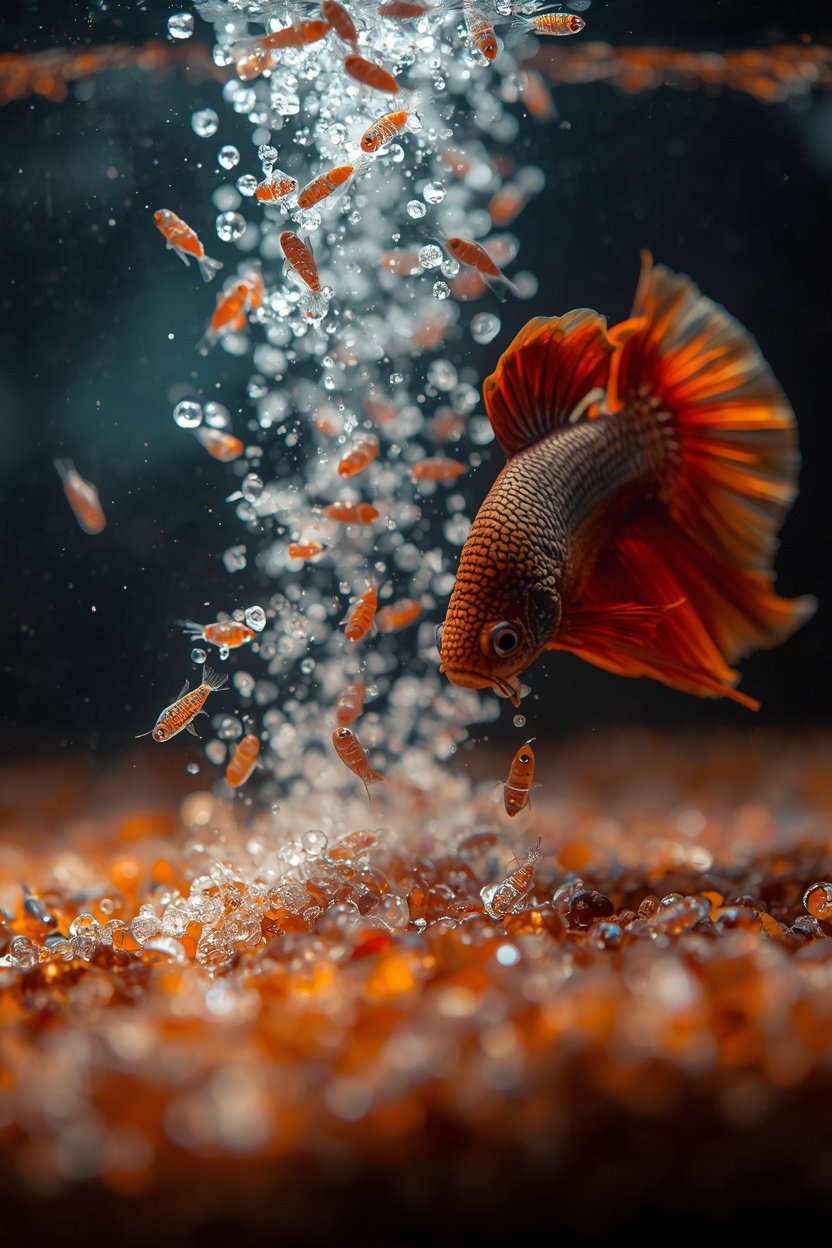
Frozen daphnia, tiny freshwater crustaceans, offer one of the lightest, most easily digestible frozen food options available, making them a genuinely useful addition for fish prone to digestive issues or bloating from richer foods. Their high fiber content also supports healthy digestion generally, which is part of why many experienced keepers include daphnia in a regular rotation rather than treating it as a rare specialty item.
Because daphnia are so small and light, they suit smaller fish and species with more delicate mouths particularly well, including bettas, which can sometimes struggle with larger, heavier frozen foods. Their lower calorie density compared to bloodworms or mysis shrimp also makes daphnia a sensible choice for maintaining a balanced diet without overfeeding.
Many keepers use daphnia specifically as an occasional digestive reset within a broader feeding rotation, offering it after a period of richer foods to help support healthy gut function, similar to how a lighter meal might follow a heavier one in general nutrition practice.
Tips for Feeding Frozen Food Safely
- Always thaw before feeding. Dropping a frozen cube directly into the tank can shock fish and cause a temporary temperature or water quality disturbance in the immediate area.
- Feed only what your fish can consume in a few minutes. Uneaten frozen food breaks down quickly and can affect water quality if it's allowed to sit.
- Rotate between different frozen foods. Alternating between bloodworms, brine shrimp, mysis shrimp, and daphnia provides broader nutritional variety than relying on a single type.
- Store frozen food properly. Keep cubes tightly sealed in the freezer and avoid repeated thawing and refreezing, which degrades both nutrition and food quality over time.
Final Thoughts
Adding frozen food to a regular feeding routine is one of the most straightforward upgrades a beginner can make to their fish's overall health and behavior. Bloodworms, brine shrimp, mysis shrimp, and daphnia each bring something slightly different to the table, and rotating between them provides a level of nutritional variety that dried food alone typically can't match. Start with whichever option best suits your fish's size and needs, and you'll likely notice the same difference in activity and color that convinced me to make the switch.
Frequently asked questions
How often should I feed frozen food instead of flakes?
Many hobbyists feed frozen food two to three times a week alongside regular flakes or pellets, though the ideal frequency depends on your specific fish species and their nutritional needs.
Can frozen food cause water quality problems?
Overfeeding any food, including frozen varieties, can affect water quality, so feeding only what fish consume within a few minutes and removing any excess helps prevent this issue.
Is frozen food safe for all types of fish?
Most community fish can safely eat frozen food, though it's worth researching your specific species' dietary needs, since some fish, particularly strict herbivores, may need a more plant-based diet overall.
