
Walking into a fish store for the first time can be genuinely overwhelming, with dozens of colorful tropical species lining the walls and very little indication of which ones are actually forgiving enough for a beginner to start with. When I set up my first tropical tank, I made the mistake of choosing fish purely on looks, without realizing some species need far more experience and stable conditions than others to thrive.
This guide focuses specifically on five tropical fish that combine genuine beauty with real beginner-friendliness — species that tolerate a bit of a learning curve, adapt well to a range of water conditions, and reward a new hobbyist with consistent, visible activity rather than constant hiding or stress. Each fish below includes a detailed image prompt so you can visualize how it might look in your own tank before making a decision.
What Makes a Tropical Fish Genuinely Beginner-Friendly
The best beginner tropical fish share a few key traits: tolerance for minor water parameter fluctuations while a new tank owner is still learning, a peaceful temperament suited to a community setting, and straightforward feeding requirements that don't call for specialized food or precise timing. All five species below check each of these boxes, making them considerably more forgiving than many of the more delicate or specialized tropical fish also available at most stores.
1. Neon Tetra
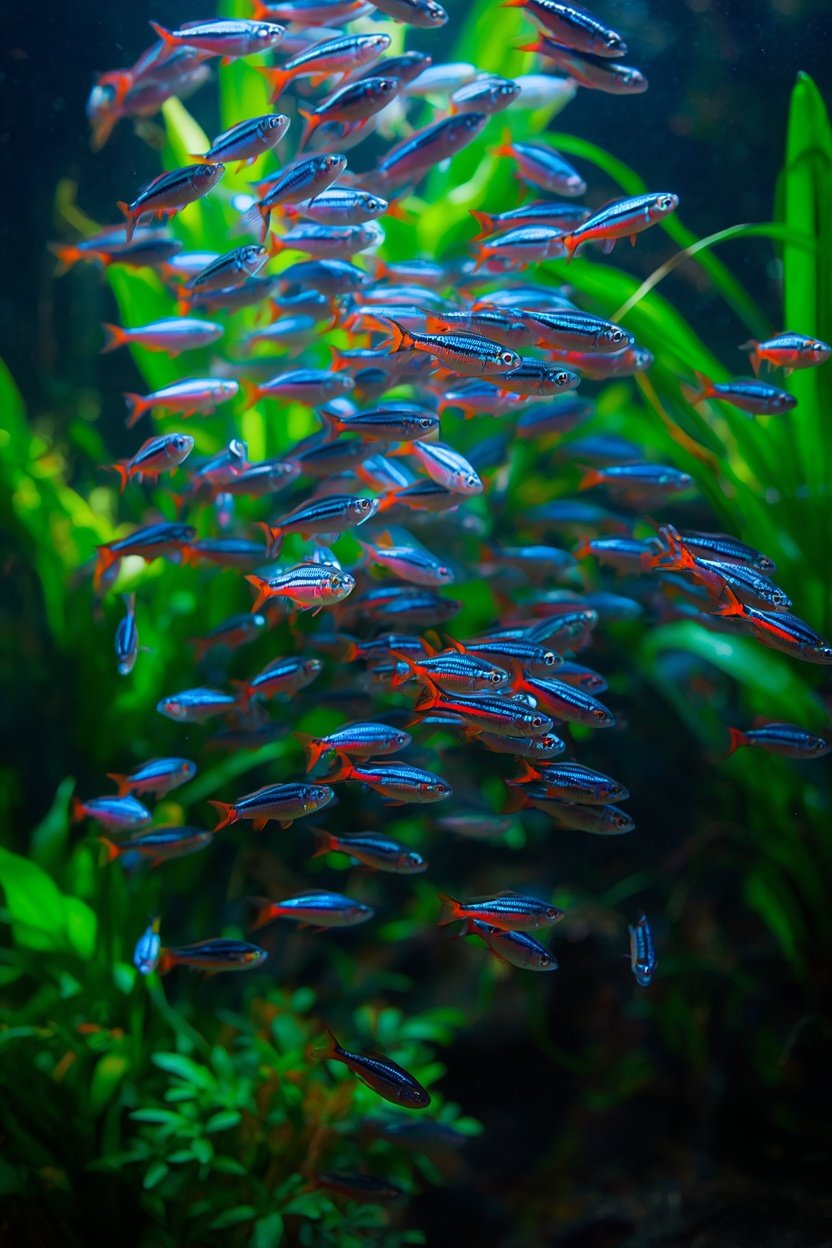
Neon tetras are one of the most recognizable tropical fish in the hobby, prized for their vivid electric-blue stripe and red underside that seems to glow under aquarium lighting. They're a shoaling species, meaning they feel safest and display their most natural, confident behavior in groups of six or more, so plan tank space accordingly from the start rather than adding just one or two.
These small tetras do best in a planted tank with subdued lighting and a few shaded areas, closely mimicking the dim, tannin-stained streams they come from in the wild. They're peaceful, easy to feed with standard flake or micro pellet food, and generally tolerant of a beginner's early learning curve, making them one of the most reliable starter fish for a first community tank.
2. Guppy
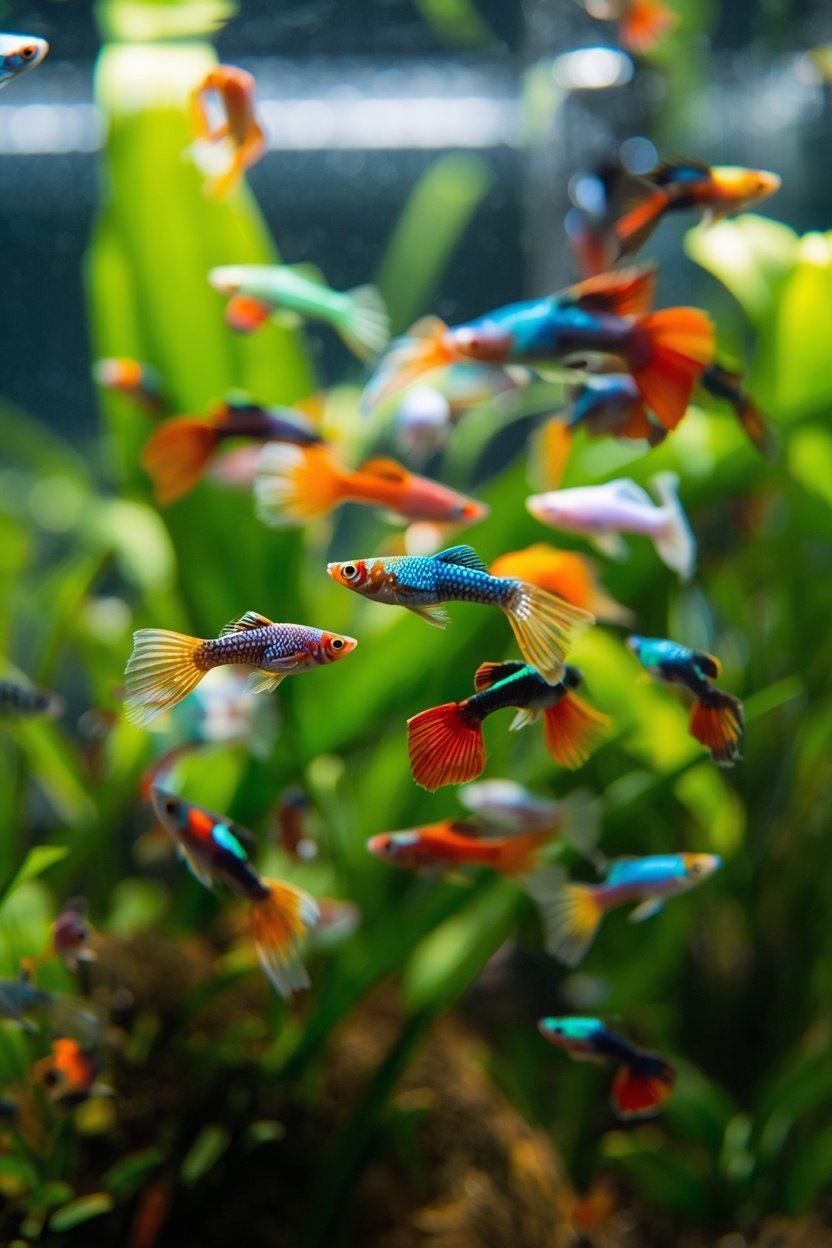
Guppies are famous for their extraordinary variety of tail shapes and colors, with no two strains looking quite alike, from solid jewel tones to elaborate multicolor patterns. They're livebearers rather than egg-layers, meaning they give birth to free-swimming young, and they breed readily in a home aquarium, often producing new fry every few weeks in a mixed-sex tank.
Guppies are hardy, adaptable to a range of water conditions, and genuinely easy to feed, making them an excellent choice for a first tropical fish tank. Keep in mind their prolific breeding when planning tank size and stocking, since a small starting group can multiply quickly without some form of population management.
3. Platy
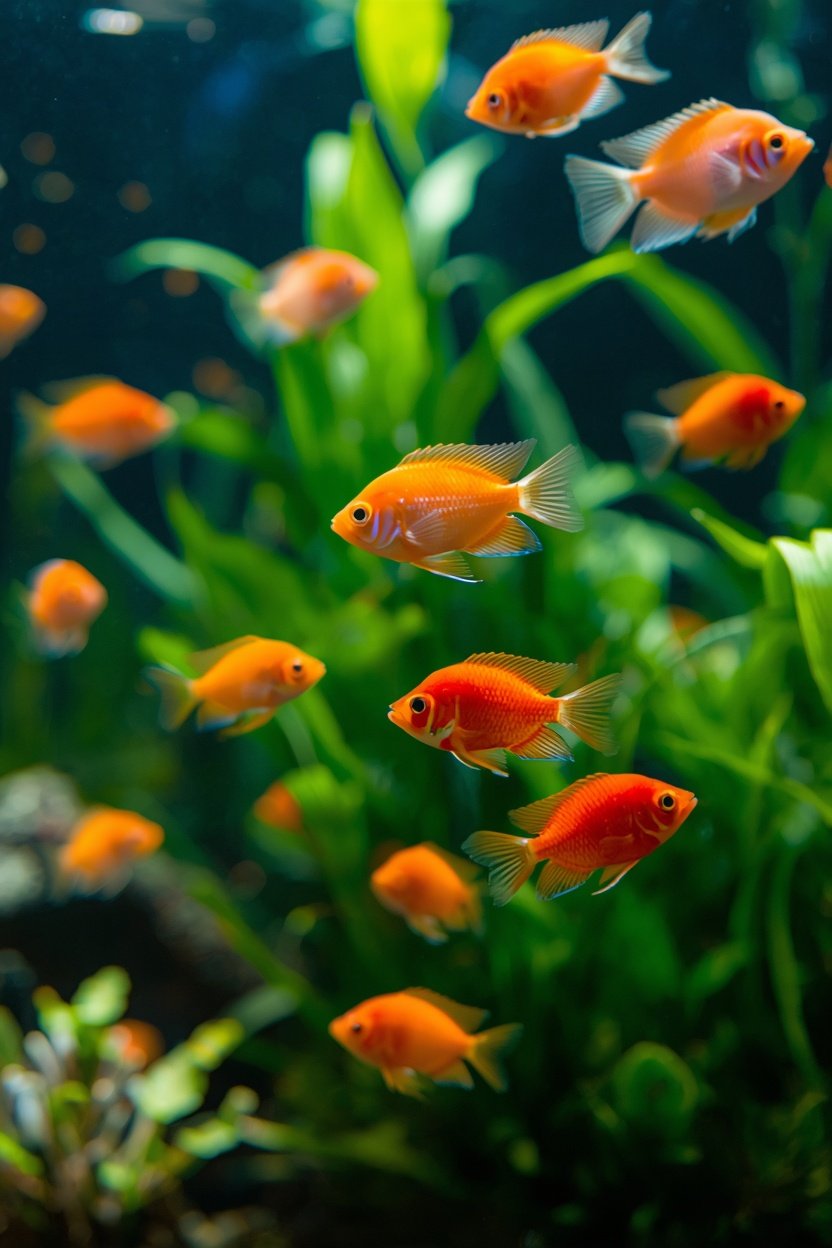
Platies are close relatives of guppies, sharing the same easygoing temperament and livebearing reproduction, but with a slightly stockier body shape and a somewhat calmer overall presence in a community tank. They come in a wide range of solid and patterned color varieties, from bright orange to deep red and black, making them a versatile choice for almost any tank's color scheme.
These fish are remarkably tolerant of beginner mistakes and fluctuating water conditions compared to many other tropical species, which has made them a long-standing recommendation for a first aquarium. They also appreciate a bit of vegetable matter in their diet alongside standard flake food, reflecting their natural grazing tendencies.
4. Corydoras Catfish
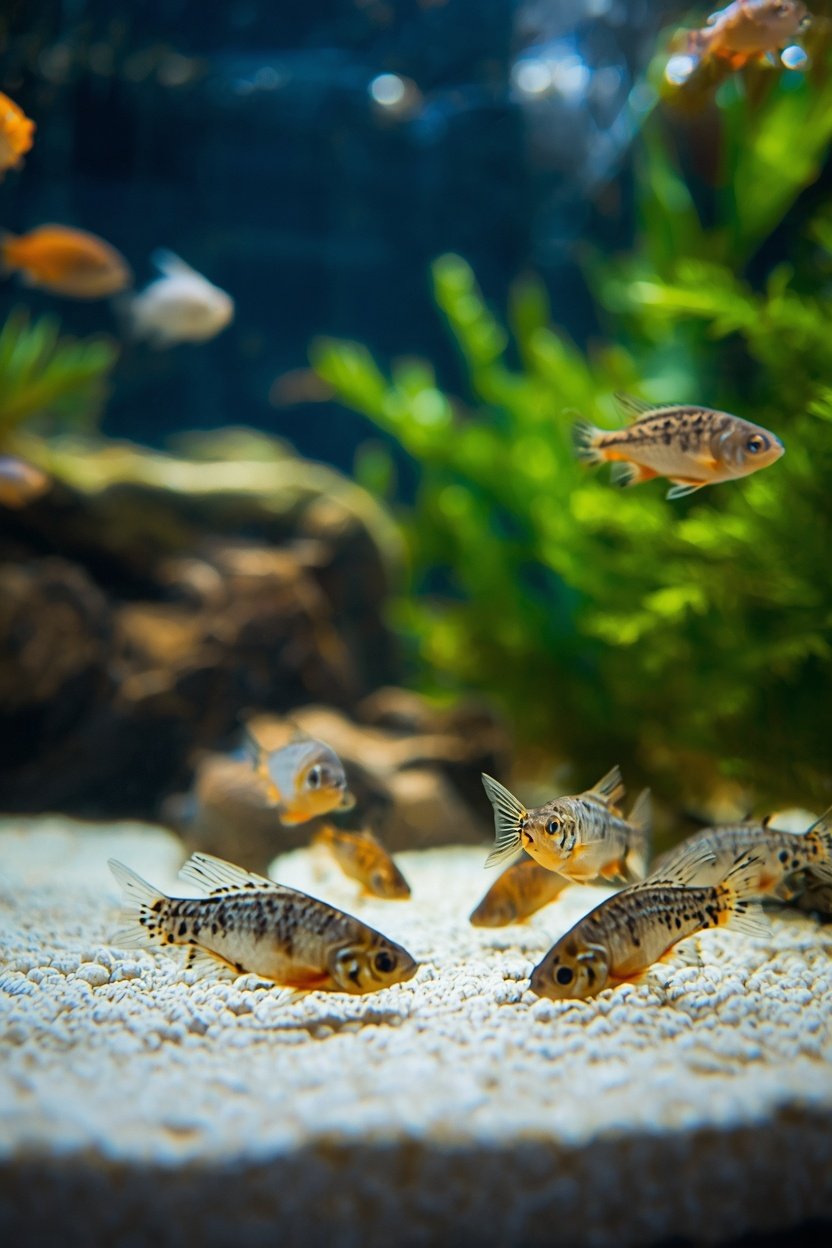
Corydoras catfish are small, armored bottom-dwellers that spend their day sifting through substrate in search of leftover food, making them a genuinely useful addition to a community tank as well as an entertaining one to watch. Their gentle, almost comical movements and distinctive barbels give them real personality, and most species stay small enough for even a modestly sized tank.
Corydoras are social fish that do best in groups of at least five or six of the same species, since they display much more natural, confident foraging behavior in a proper group than as a single lone individual. A soft, fine-grained substrate is worth prioritizing for this species specifically, since coarse gravel can damage their sensitive barbels over time.
5. Harlequin Rasbora
Harlequin rasboras bring a distinctive copper-orange body with a bold black triangular patch near the tail, creating a striking silhouette that stands out clearly even in a busy, well-planted community tank. Like neon tetras, they're a shoaling species that displays its best, most confident behavior in a group of six or more.
These rasboras are peaceful, hardy, and well-suited to a planted tank with subdued lighting, pairing naturally alongside other calm community species like tetras and corydoras catfish. Their moderate size and calm temperament make them a reliable, low-maintenance choice for hobbyists building out a varied, peaceful community tank.
Tips for Choosing Your First Tropical Fish
- Cycle your tank before adding fish. Running your aquarium's filter for several weeks before stocking allows beneficial bacteria to establish, dramatically improving new fish survival rates.
- Research adult size, not just juvenile size. Fish sold small at the store often grow considerably larger, so confirm your tank can comfortably house the adult size before buying.
- Stock shoaling species in proper group sizes. Fish like tetras, rasboras, and corydoras genuinely need groups of five or six to display healthy, natural behavior.
- Introduce fish gradually. Adding a few fish at a time rather than fully stocking a new tank all at once gives your filter's bacteria colony time to keep pace with the increased bioload.
Final Thoughts
Neon tetras, guppies, platies, corydoras catfish, and harlequin rasboras each bring their own personality and visual appeal to a beginner tropical tank, while sharing the hardiness and easygoing temperament that make early mistakes far more forgivable. Starting with a few of these species, rather than more delicate or demanding fish, gives a new hobbyist the best chance of a genuinely successful, rewarding first aquarium experience.
Frequently asked questions
Can these five species all live together in one community tank?
Yes, all five are generally peaceful and compatible with one another, making them a solid foundation for a varied, beginner-friendly community tank, though it's still worth confirming compatibility with any additional species you add later.
How many fish can I add to a new tank at once?
It's best to add only a small number of hardy fish initially, waiting one to two weeks between additions, to avoid overwhelming a newly established filter with more waste than its bacteria colony can process.
Do beginner tropical fish need a heater?
Yes, all five species covered here are true tropical fish and need a reliable heater to maintain a stable temperature, generally in the mid-70s Fahrenheit, regardless of how hardy they are otherwise.
