
My first few trips to an aquarium store were a bit overwhelming — rows of tanks, dozens of unfamiliar fish names, and staff moving quickly between customers. I made a few avoidable mistakes early on, mostly from not knowing what to actually look for before making a purchase. It took a handful of trips, and a couple of disappointing results at home, before I developed a real sense of what separates a genuinely good aquarium store visit from a risky one.
Whether you're setting up your first tank or looking to shop more confidently for an established one, these four ideas cover what actually matters during a store visit — beyond just browsing the prettiest fish. Each idea below includes a detailed image prompt if you'd like to visualize the scene it describes.
Why the Store Itself Matters as Much as the Fish
It's tempting to focus entirely on which fish or equipment to buy, but the store you're buying from plays just as large a role in your long-term success. A well-run store with healthy stock and knowledgeable staff sets you up for a much smoother experience than a poorly maintained one, regardless of how appealing any individual fish might look on a given day.
1. Choose a Store With Clean, Well-Maintained Tanks
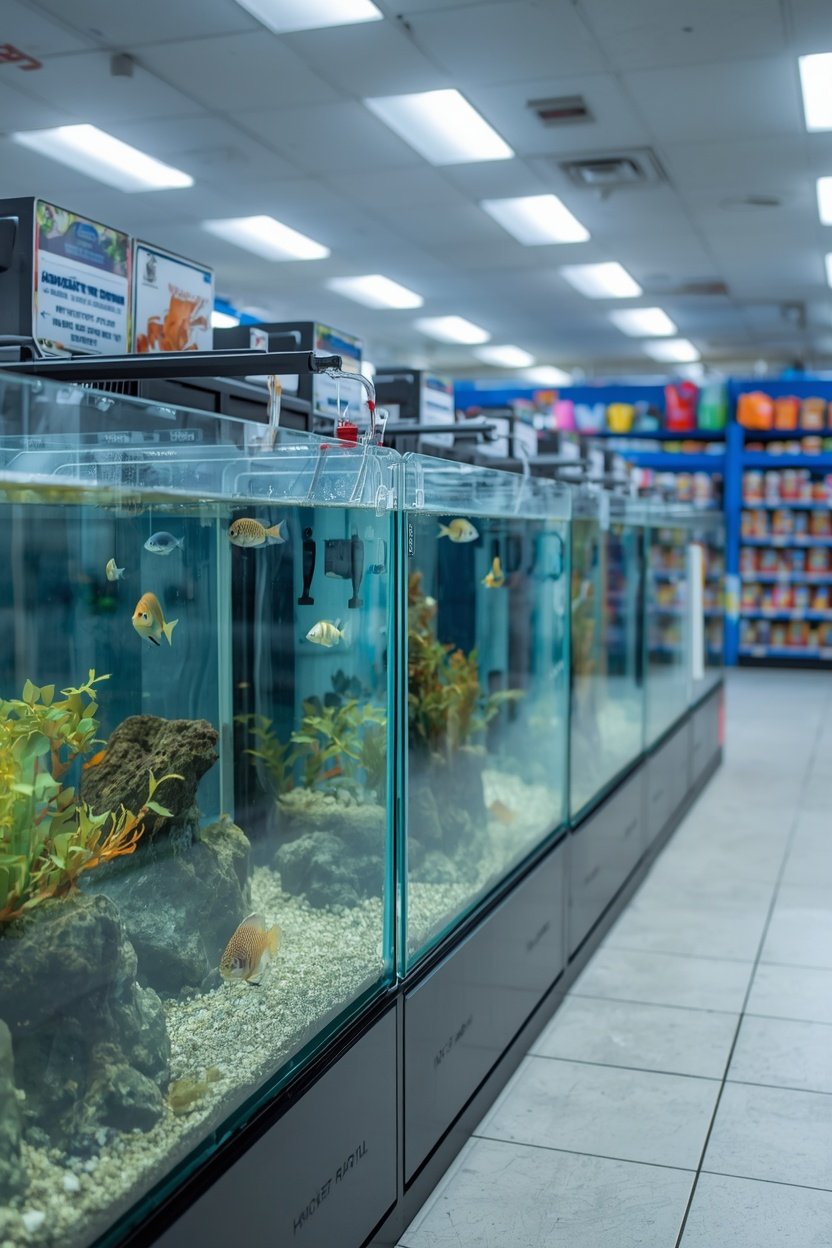
The single most reliable indicator of a good aquarium store isn't its size or selection — it's the condition of the display tanks themselves. Clear water, algae-free glass, and visible, active fish swimming normally all point to a store that maintains its systems properly. Cloudy water, visible debris, or fish gasping at the surface across multiple tanks are warning signs worth taking seriously, regardless of how impressive the store's overall selection looks.
Pay attention to whether sick or dead fish are promptly removed from display tanks, since a store that lets these linger is often cutting corners elsewhere too. A quick walk through the fish section before buying anything gives you a genuinely useful read on how the whole operation is run, well before you get to the checkout counter.
This first impression matters more than it might seem, because a store's tank maintenance standards are a strong predictor of the health of the fish you'll actually bring home, not just a cosmetic detail about how the store happens to look that day.
2. Ask Staff Detailed Questions Before Buying
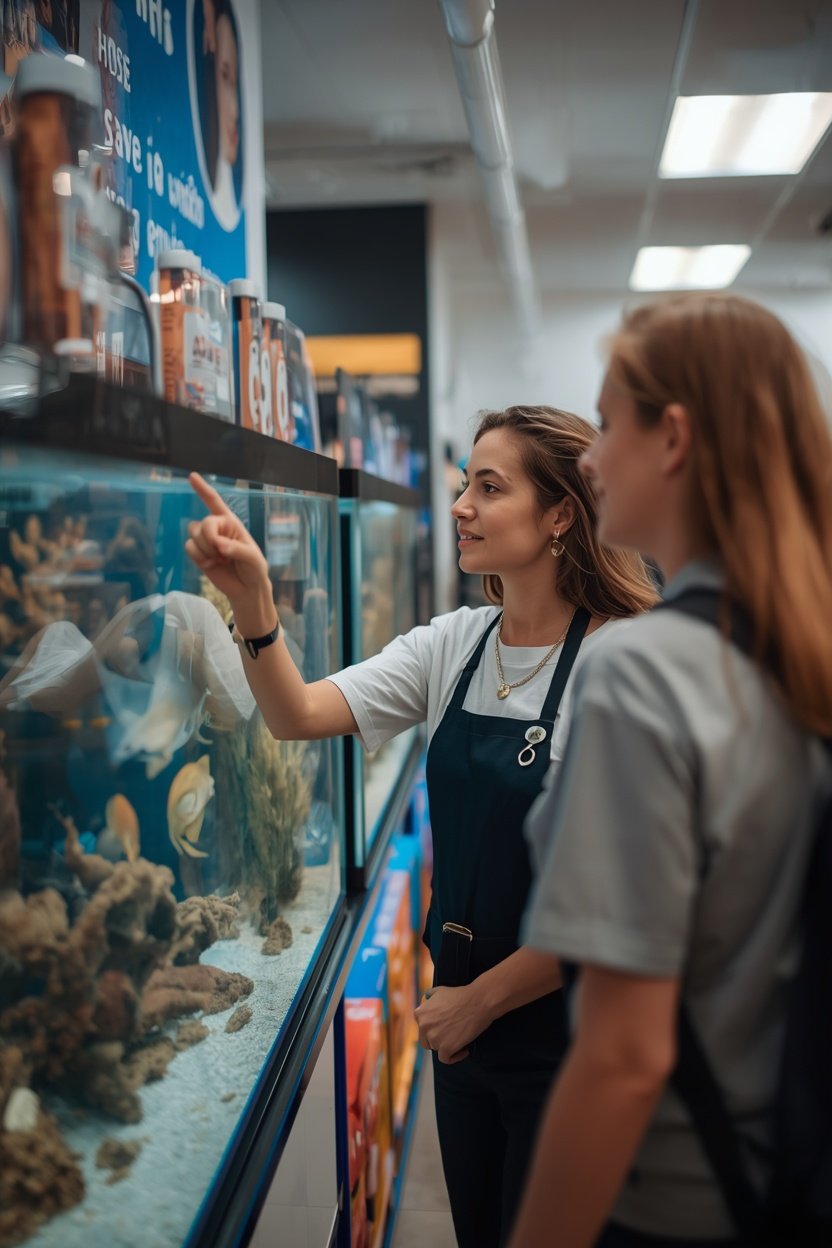
A knowledgeable staff member should be able to answer specific questions about a fish's adult size, temperament, water parameter needs, and compatibility with species you already keep, not just point you toward the price tag. Asking a few pointed questions before any purchase is one of the easiest ways to gauge whether a store's staff genuinely understands the animals they're selling.
Good questions to ask include how long the store has had a particular fish in stock, whether it's been observed eating normally, and what water parameters the store's own tanks are running at, since a significant mismatch between store conditions and your home tank can add unnecessary stress during acclimation. Staff who welcome these questions and answer them thoughtfully are generally a good sign of a store worth returning to.
This step matters just as much for equipment purchases as it does for livestock — staff willing to talk through what filter or heater size actually suits your specific tank, rather than upselling the most expensive option, are worth valuing as a long-term resource, not just a one-time transaction.
3. Inspect Fish for Health Signs Before Purchase
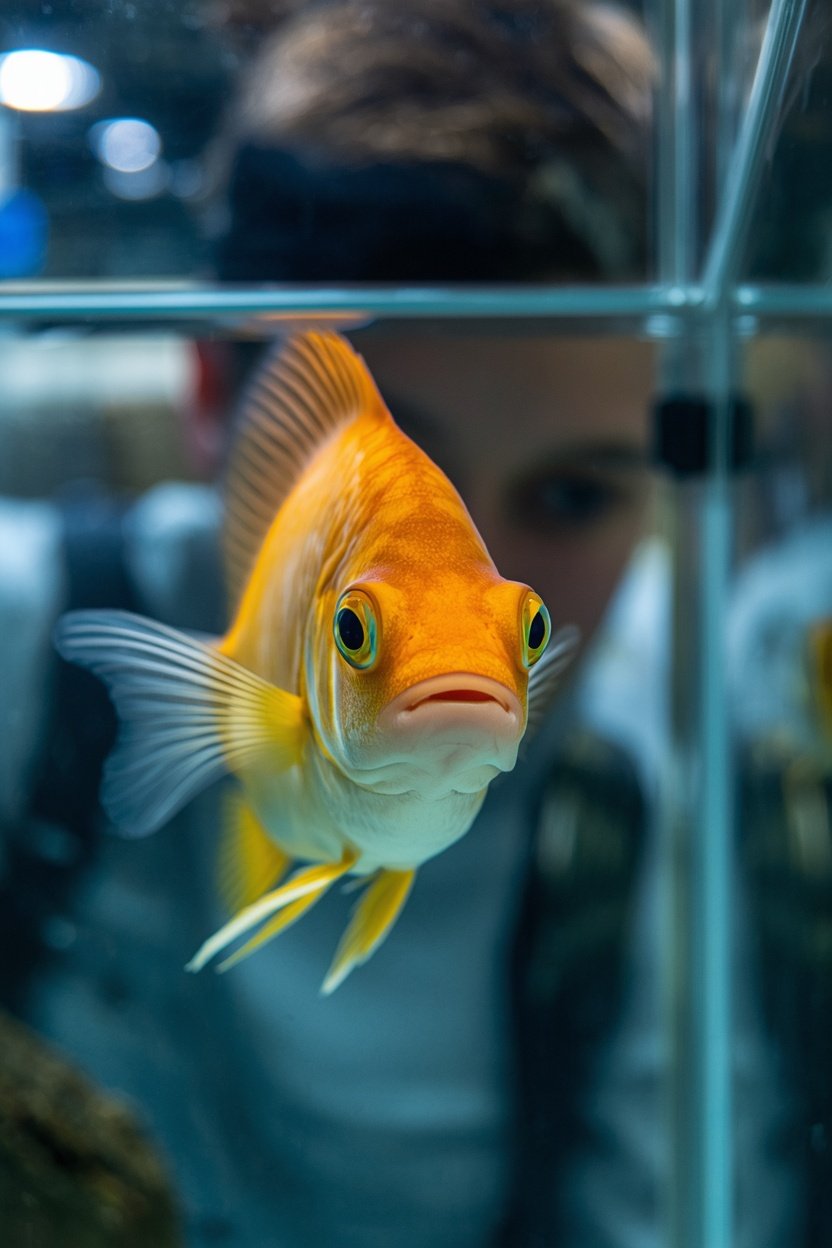
Before committing to any fish, take a moment to actually watch it swim rather than judging purely by color and pattern. Healthy fish typically swim actively, hold their fins upright rather than clamped against their body, and show no visible spots, cloudy eyes, or unusual growths. A fish that's hiding constantly, breathing rapidly, or swimming erratically may be stressed or unwell, even if it looks visually appealing at a glance.
It's also worth briefly observing the rest of the tank that specific fish came from, since illness often spreads between tankmates sharing the same water system. A single sick-looking fish in an otherwise healthy tank is a different situation than multiple fish in the same tank showing signs of distress, and that distinction matters for your decision.
Taking the extra few minutes to genuinely evaluate a fish's health before purchase saves considerable heartache later, both for the fish's wellbeing and for the health of your existing tank inhabitants once the new arrival is introduced.
4. Avoid Impulse-Buying Equipment You Don't Need Yet
Aquarium stores are, understandably, designed to encourage browsing and additional purchases, and it's easy to walk out with far more equipment or decor than your current setup actually calls for. Before any shopping trip, it helps to have a clear list of what your tank genuinely needs at this stage, resisting the pull toward flashy extras that aren't yet relevant to your specific setup or experience level.
This is especially worth keeping in mind for beginners, who may not yet know which advanced equipment is actually necessary versus which is a nice-to-have for a more experienced hobbyist with different goals. Asking staff whether a specific product suits your current tank size and stocking plan, rather than a hypothetical future setup, helps keep purchases genuinely useful rather than accumulating unused equipment.
Sticking to a clear list doesn't mean never discovering something useful you hadn't planned for — it simply means evaluating any addition against your actual current needs rather than buying based on packaging alone, which tends to lead to a more thoughtfully assembled, genuinely functional tank setup over time.

Additional Tips for a Successful Store Visit
- Shop early in the day when possible. Staff often have more time to answer detailed questions before the store gets busy later on.
- Bring your tank's dimensions and current stock list. Having this information on hand helps staff give you more accurate, useful recommendations.
- Ask about the store's return or health guarantee policy. A store confident in its stock's health typically offers some reasonable guarantee period.
- Consider quarantining new fish at home. Even fish that look healthy in-store can benefit from a quarantine period before joining an established tank.
Final Thoughts
A little preparation before an aquarium store visit goes a long way toward a genuinely successful trip, whether you're buying your very first fish or restocking an established tank. Evaluating tank cleanliness, asking thoughtful questions, inspecting individual fish carefully, and shopping with a clear list rather than pure impulse together make for a far more confident, informed experience — and ultimately, a healthier tank once you get everything home.
Frequently asked questions
How can I tell if an aquarium store is reputable before visiting?
Online reviews mentioning fish health and staff knowledge are a good starting point, though your own observation of tank conditions during an actual visit remains the most reliable indicator.
Is it normal for aquarium stores to have some sick fish?
Occasional illness can happen even in well-run stores, but it's the store's response — prompt removal, tank isolation, and transparency with customers — that indicates whether the overall operation is trustworthy.
Should I always quarantine new fish before adding them to my main tank?
Quarantining is widely recommended among experienced hobbyists as a precaution, since it allows time to observe a new fish for illness before it can potentially affect an established tank's existing inhabitants.
